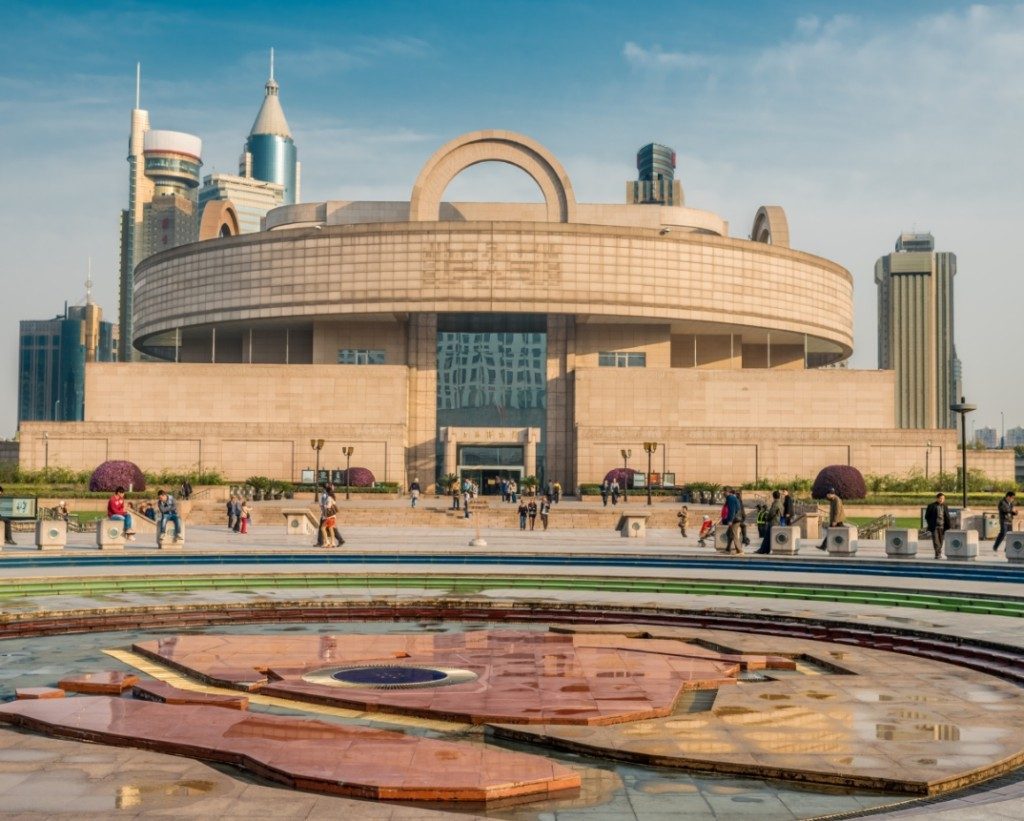
The most convenient way to have an overview of the past and the present of a city is to visit museums. Shanghai features various kinds of museums, from national level museums to historical museums, from characteristic industry museums to folk museums.
Shanghai Science & Technology Museum: 2000 Century Ave, Pudong
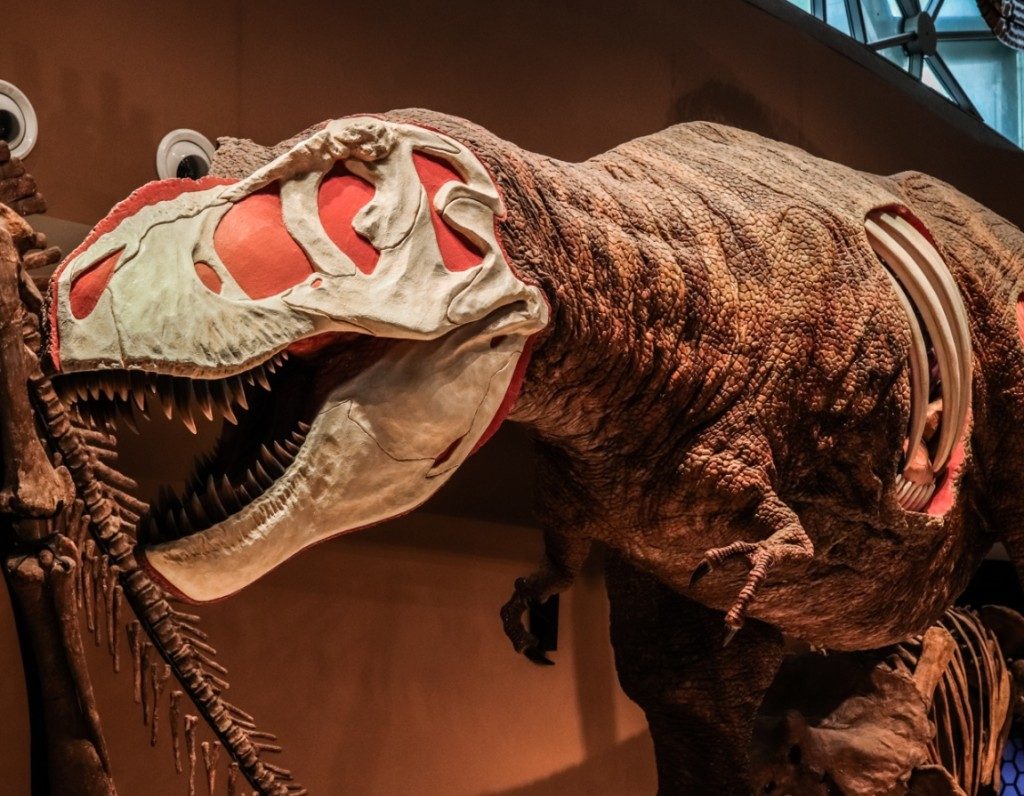
Shanghai Natural History Museum: 510 Beijing Rd. (W)
China Maritime Museum: 197 Shengang Ave. Pudong
Shanghai Telecom Museum: 34 Yan’an Rd. (E)
Shanghai Textiles Museum: 150 Aomen Rd.
Shanghai Post Museum: 250 Beisuzhou Rd.
Aurora Museum: 99 Fucheng Rd.
Shanghai History Museum/Shanghai Revolution Museum: 325 Nanjing Rd. (W)
Shanghai Film Museum: 595 Caoxi Rd. (N)
Shanghai Art Collection Museum: 1731 Yan’an Rd. (W)
Shanghai Luxun Museum: 200 Tian’ai Rd.
Shanghai Museum of Glass: 685 Changjiang Rd. (W) Baoshan
Songze Ancient Cultural Relic Site: 3993 Huqingping Hwy, Qingpu
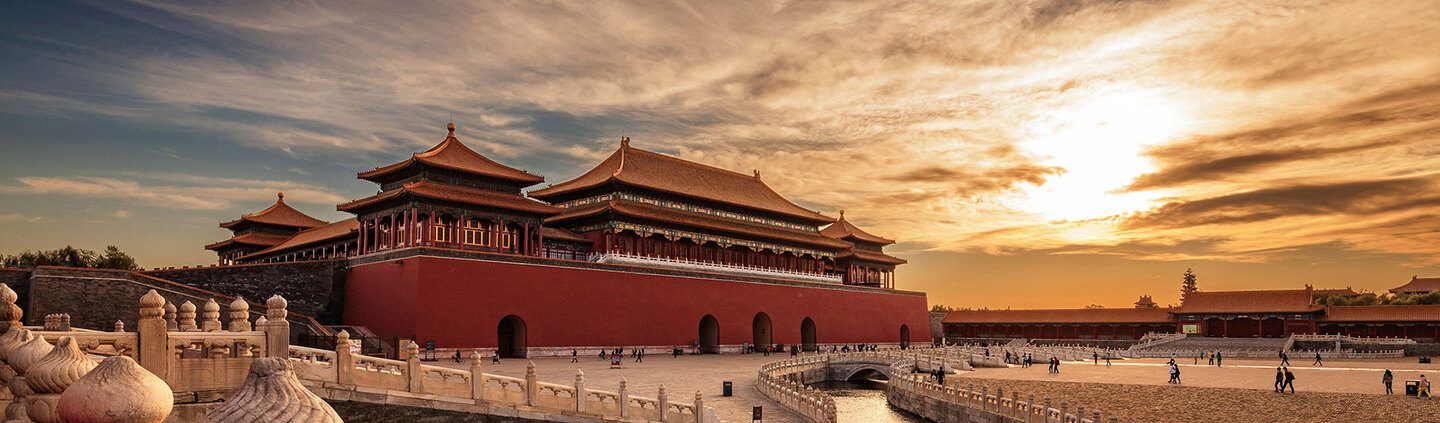
02. Palace Museum in Beijing
Also known as the Forbidden City, the Palace Museum served as the imperial palace for 24 emperors of the Ming and Qing dynasties. Located in the central axis of Beijing, the former Imperial Palace was first constructed in 1406, with an area of 720,000 square meters. The Palace Museum has four main gates: Meridian Gate in the south, East Flowery Gate in the east, West Flowery Gate in the west, and Gate of Divine Prowess in the north. On each corner of the palace stands a tall turret tower. Surrounded by a moat, the Palace Museum ahs a total of 9,999 rooms, with a construction area of 150,000 square meters. A central axis runs from south to north, symmetrical on the right and left. It is the largest palace complex in the world, as well as one of the world cultural heritage sites. In 2007, it was named the national AAAAA scenic area of China.
03. Xianling Mausoleum of the Ming Dynasty in Hubei
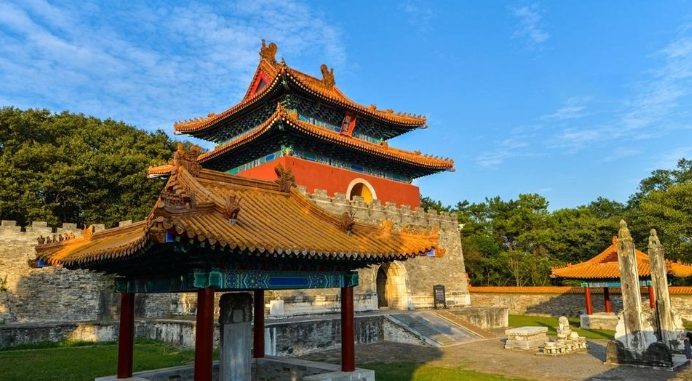
The Ming Mausoleum is located in Zhongxiang City, Jingmen City, and is the tomb of the parents of the Ming Dynasty Emperor Jiajing. This imperial tomb is different from others in history.
On the way to the Ming Mausoleum, there is the Mochou Village, which is famous for its folk art Also you can taste the local dish there.
The Ming Mausoleum is in the north of Mochou Village, and to the south is the Mochou Lake Wetland Park. Looking down from the tower, you can have a panoramic view of the Yuanzheng Hall and the other two halls.
The city tower is connected with the city wall, which form two parks. The first one surrounded by the city wall is the mausoleum ofJiajing’s father when he was the prince. The second one is the burial of his parents. It is unique that there are two tombs in a mausoleum Xianling Mausoleum of the Ming Dynasty is in large scale and well preserved . And it is the treasure of the Chinese Mausoleum.
Address : Mount Chunde which is 5 km awayfrom Jingmen City Price : entrance ticket: 65 yuan , one-way shuttle bus:10 yuan (8:00-18:00)
Eight Spots of Xianling Mausoleum of the Ming Dynasty:
1. Yaotai and Shuangyucheng In the Mausoleum of the Ming Dynasty, the construction of the two city together is unique.
2. many stele pavilions
3. Screen glazed wall with two carved dragons The screen walls on the both side of Lingen Gate are unique in the Ming Dynasty.
4. In and Out of the Xianling Mausoleum of the Min1g Dynasty It has a high wall around the mausoleum, in which is called “Neilongcheng” and out of which is called “Wailuocheng”
5. Jiuqu Royal River The excellent drainage system shows the well usage of geomantic omen.
6. Inner and Outer Palace (in ancient times, a place for an emperor to declare punishment and prize or instructions) The establishment of the two palace is also unique in Mount Tianshou and Ming Dynasty.
7. Dragon-Shapes Road The dragon-shaped road is unique in Ming dynasty.
8. The Old and the New Red Door The two doors are not on a central axis, which 1s rare m Chinese tradition al buildings.
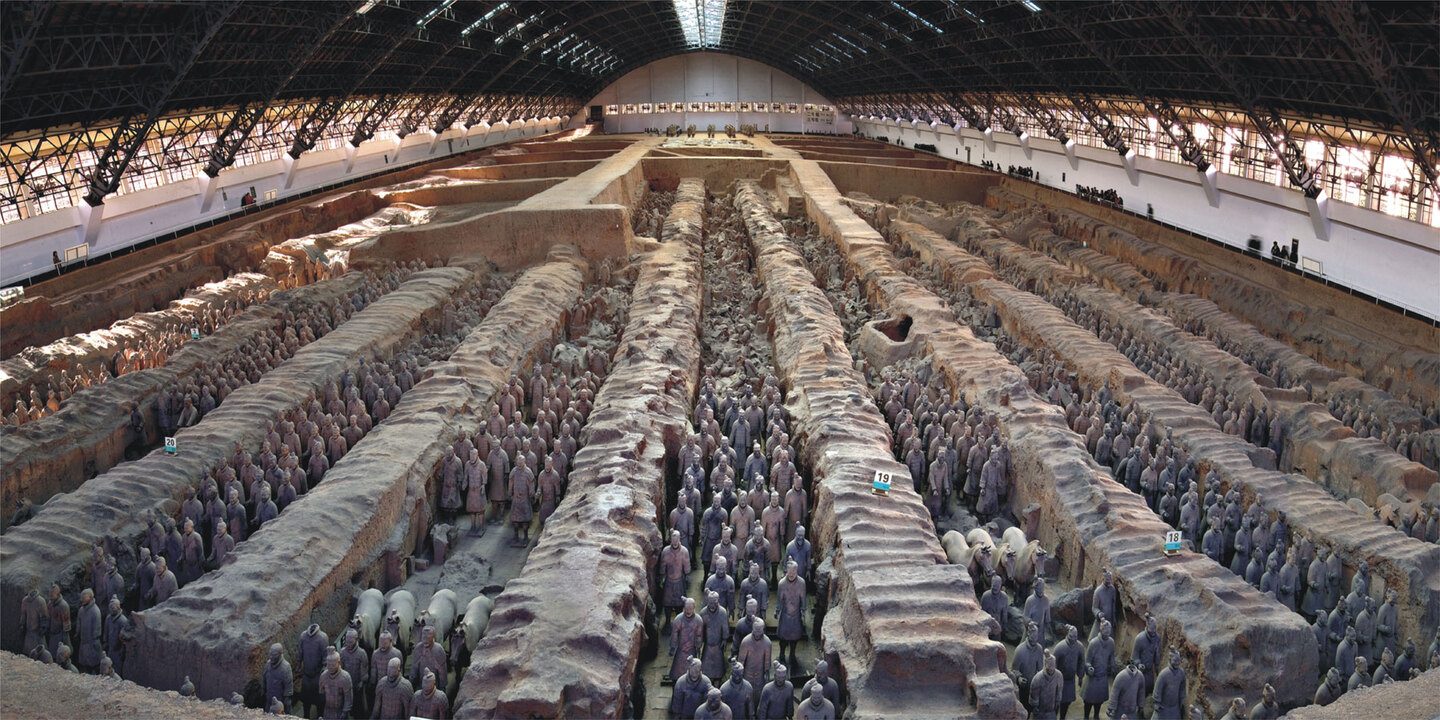
04. Museum of Emperor Qin Shihuang’s Terracotta Warriors and Horses in Shaanxi
Emperor Qin Shihuang’s army of terracotta warriors and horses is acclaimed as the eighth wonder in the world. The under ground army formation of terracotta warriors and horses and the Mausoleum of Emperor Qin Shihuang are both on the list of the World Heritage. In 1979 a museum was built on the site of the burial ground of the terracotta warriors and horses. It is now a national AAAAA tourist attraction.
The museum has three pits of terracotta warriors and horses, forming a huge legion. The three pits are in the form of a Chinese character “品” with a total area of 22,780 square meters. Over 7,400 life-size pottery warriors and horses, and over 130 chariots are displayed in the three pits.
Pit I, the largest of the three, occupies an area of 14,260 square meters and contains over 6,000 pottery warriors and horses arranged in military formations. In front of the army is the vanguard of 210 warriors in three rows, 70 in each row. The vanguard is followed by the main body of the army composed of cavalrymen and chariots in 38 columns. The last column is the rearguard facing west. The magnificent array breathes the great military power of Emperor Qin Shihuang.
Pit 2 takes up an area of 6,000 square meters and is laid out in the shape of a carpenter’s square. A large military formation in this pit is made up of four independent units: a unit of archers, a unit of chariots, a mixed unit of chariots, foot soldiers and cavalrymen and a unit of cavalrymen. There are altogether more than 1,300 terracotta warriors and horses, more than 80 chariots and a large amount of metal weapons.
Pit 3 is in the shape of the Chinese character “凹” and occupies an area of 520 square meters. It contains 68 pottery warriors, four horses and a chariot. Pit 3 forms an organic whole with the other two pits. It seems to be the command in g post of the whole army.
All the terracotta warriors and horses are meticulously made, tall and powerful looking. Legend has it that they were sculptured according to th e real imperial troops that protected the imperial palace of Emperor Qin Shihuang. The warriors are well modeled and proportioned. Each of them has different features and facial expression. Strong and fim1 in appearance. they vary in individual aspects according to their age, experience and rank . Some are generals, some are officers and the others are soldiers. The shortest is 1.78 meters and the tallest is 1.97 meters. The lightest is 110 kilograms and the heaviest is 300 kilograms. The parts of the pottery figures were made with the combined techniques of sculpture and modeling. assembled. baked and painted. The workmanship is very high.
The museum is well equipped with tourist facilities, including restaurants, shops. a parkin Iot, a round-screen cinema and a photo studio. It takes only 30 minutes from Xi’an proper to the Museum of Emperor Qin Shihuang’s Terracotta Warriors and Horses in Lintong by bus along an expressway.
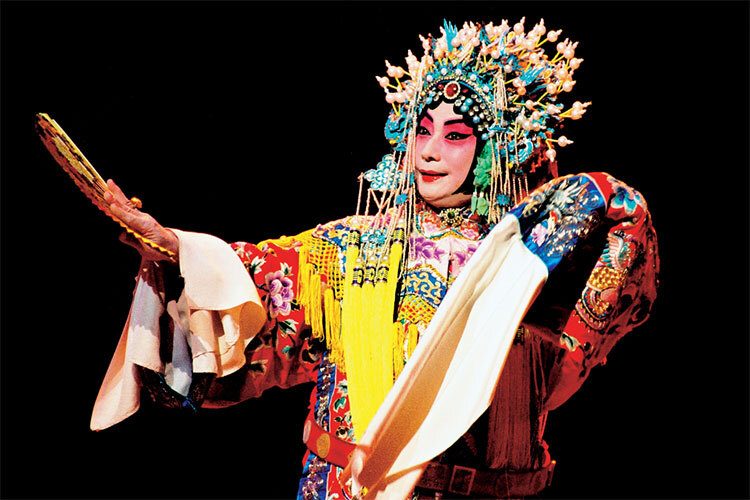
05. Peking Opera in Beijing
It will be a great pity if you don’t watch Peking Opera on the scene during your Beijing tour. After all, it is China’s representative theatrical art, and the painted faces of opera characters are among the most widely recognized symbols of the country.
Chang An Grand Theater, a famous old theater in Beijing, is located on the northern side of the Dong Chang’an Jie, where tourists can watch various kinds of theatrical performances with Peking Opera, the quintessence of Chinese culture, as the mainstay. The Huguang Guild Hall stands in Hufangqiao, Xuanwu District, with a time-honored history and profound cultural background. Some well known Peking Opera actors, such as Tan Xinpei, Yu Shuyan and Mei Lanfang, once performed in the Guild Hall, so the hall is famed as First Beijing Opera Museum.
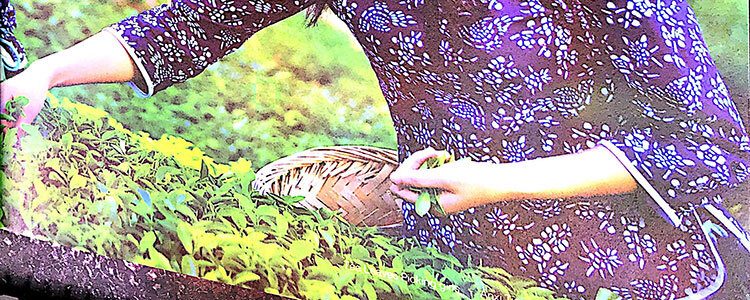
06. Fujian Tea Culture
Enjoy a cup of Fujian tea – taste of home
A cup of tea, a breath of delicate smell of tea, is the flavor of home. For Fujian people, especially those overseas Fujianese, no matter it is Tieguanyin, Lapsang Souchong, Fuding White Tea, or Fuzhou Jasmine Tea, a cup of tea brings them back to hometown.
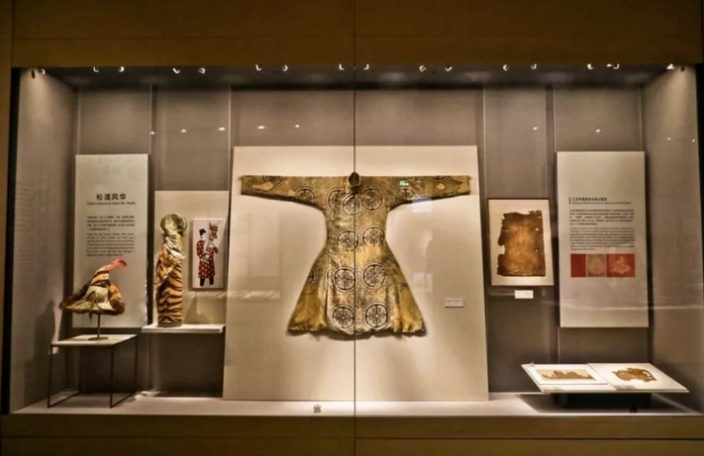
07. Recommendation Chinese Silk Museum in Zhejiang
The Chinese Silk Museum in Hangzhou, Zhejiang is the largest silk museum in the world. Visitors can gain the knowledge of the past and present profile of silk manufacturing from a large number of silk fabrics and historical materials. The artistry of embroidery is also fully exhibited in Chinese Silk Museum. Silk works and costumes in all the stages of China are displayed in the Cultural Relics Hall and the Costumes Hall respectively. Specifically, the displayed costumes cover Aoqun (a combination of jacket and skirt of female in ancient China), Bufu (robe in the Ming and Qing Dynasties ), imperial robe and folk daily embroidery works popular from the Warring States Period to modern times . Visitors can also appreciate excellent and exquisite Chinese embroidery crafts , including Hangzhou Embroidery, while understanding the origin and development of a great variety of costumes.
08. Museum of Porcelain History in Jiangxi
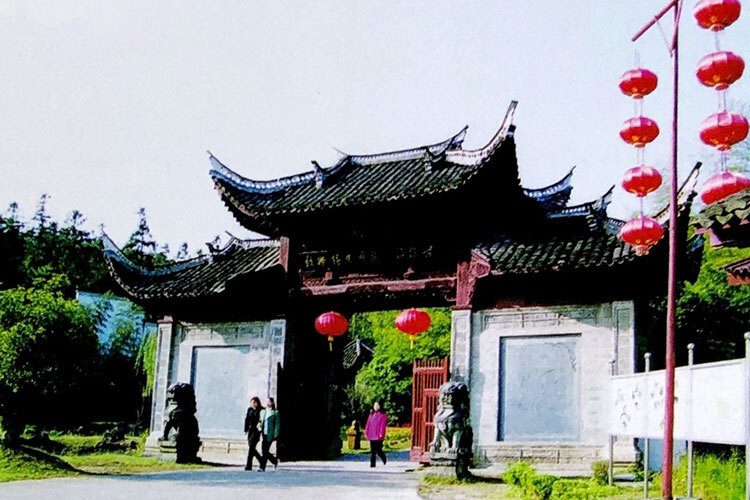
The museum is located at Panlonggang on Fengshu Hill in the west city proper of Jingdezhen. Th e garden-like museum with buildings in ancient architectural style is rated as a national AAA tourist zone. On its premises the re are architectures of the Ming and Qing dynasties, halls for displaying porcelain objects from various historical periods, a group of ancient kilns, a long corridor with inscriptions on porcelain tablets, the Heavenly Empress Palace, Porcelain Street and the former residence of a senior official in feudal China. There are also luxuriant woods and a lake.
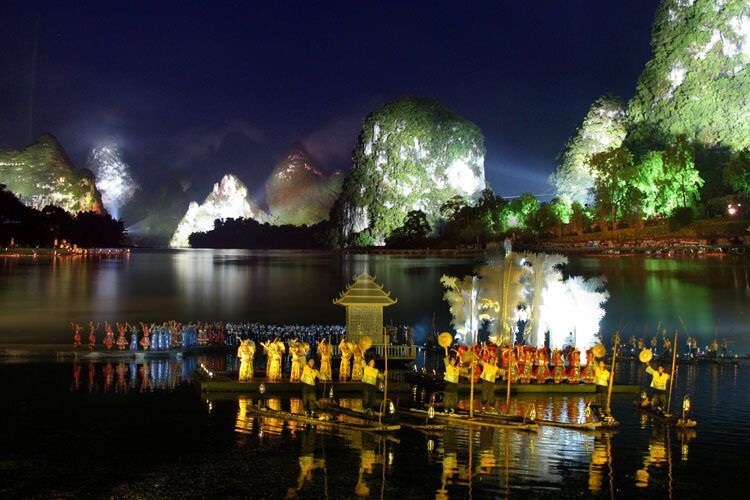
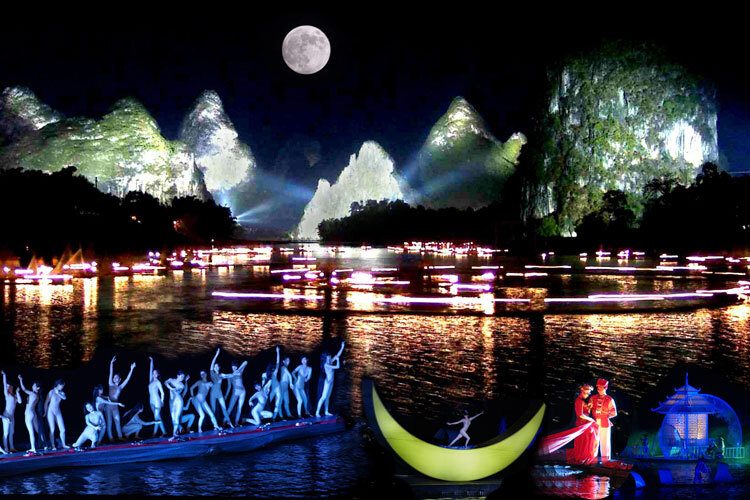
09. Impression Sanjie Liu
The performance is based on the legend of the fearless singer Sanjie Liu, but not limited to her story. By using the image of traditional Chinese painting and rhythms of local songs, Impression Sanjie Liu shows the living situation, the folk customs, and especially the landscapes around Li River.
10. Tianmen Fox Fairy Show
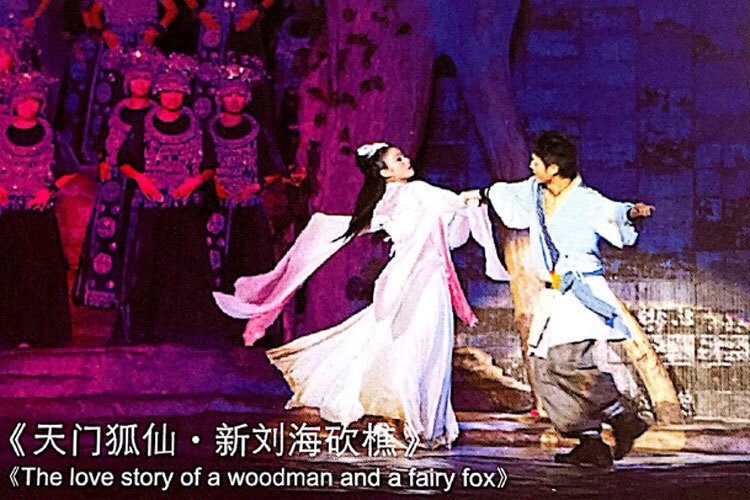
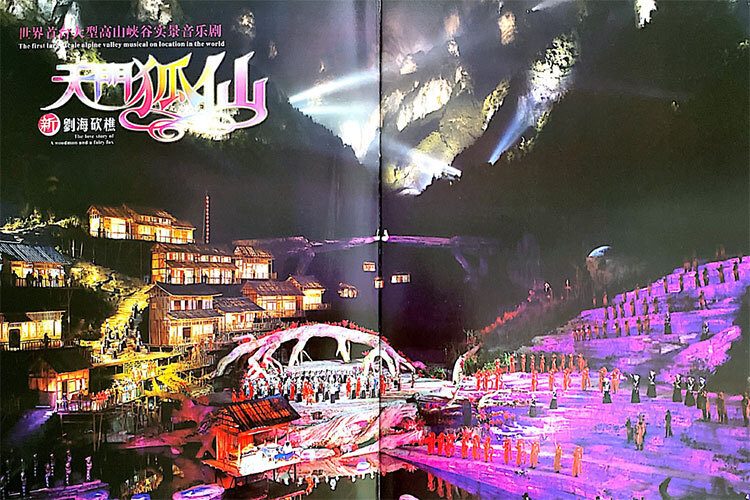
Tianmen Fox Fairy Show is a large-scale real-scene musical drama that originated from a traditional Chinese fairy tale, which showing a love story between a fox fairy and a woodsman. The love story was widespread throughout locals and all Chinese. The performance area is located in the 5 km long valley of Tianmen Mountain, 8 km from Zhangjiajie City, Hunan Province.
11. The Show of Songcheng
The Show of Songcheng is the symbolic performance of Hangzhou, being performed over 2,000 times per year. Since it was created, the show has been performed more than 20,000 times, and entertained over 60 million audience. It is the theatre performance that has been performed for most times and has the largest audience number; along with the O Show in Las Vegas, and the Moulin Rouge in Paris, the three are regarded as the “Top 3 Famous Shows in the World”.
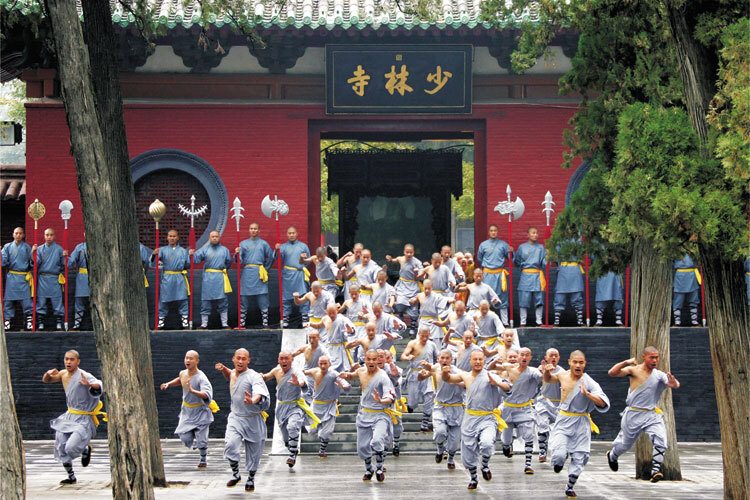
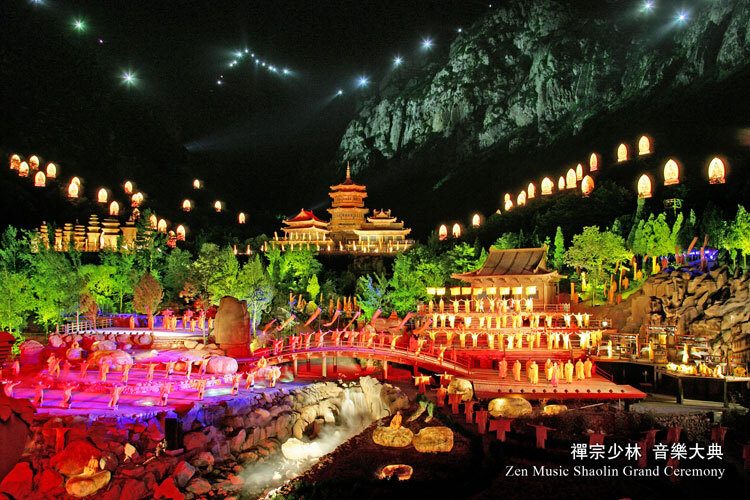
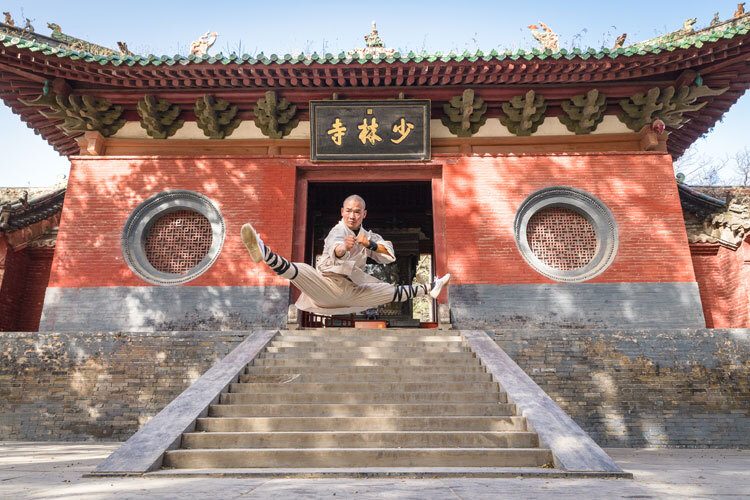
12. Shaolin Kungfu
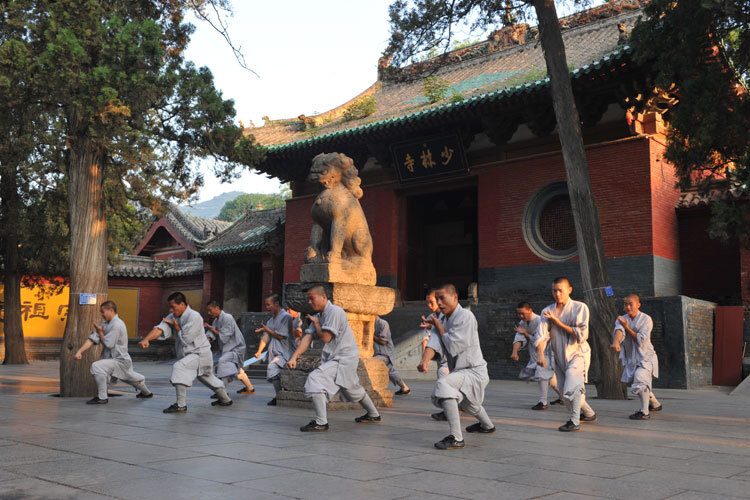
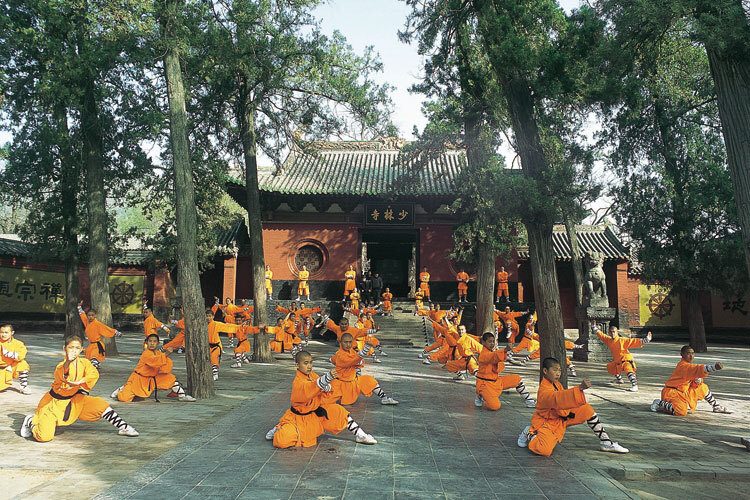
Shaolin Kungfu, also known as Shaolin Wushu, is one of the famous typess of Wushu in China. It has long history and profound influence.
It is an important part of Chinese traditional Wushu. The most prominent feature of Shaolin Kungfu is the integration of Zen and Wushu, it means the unity of zen and Wushu, so it is also known as “Wushu Zen”.
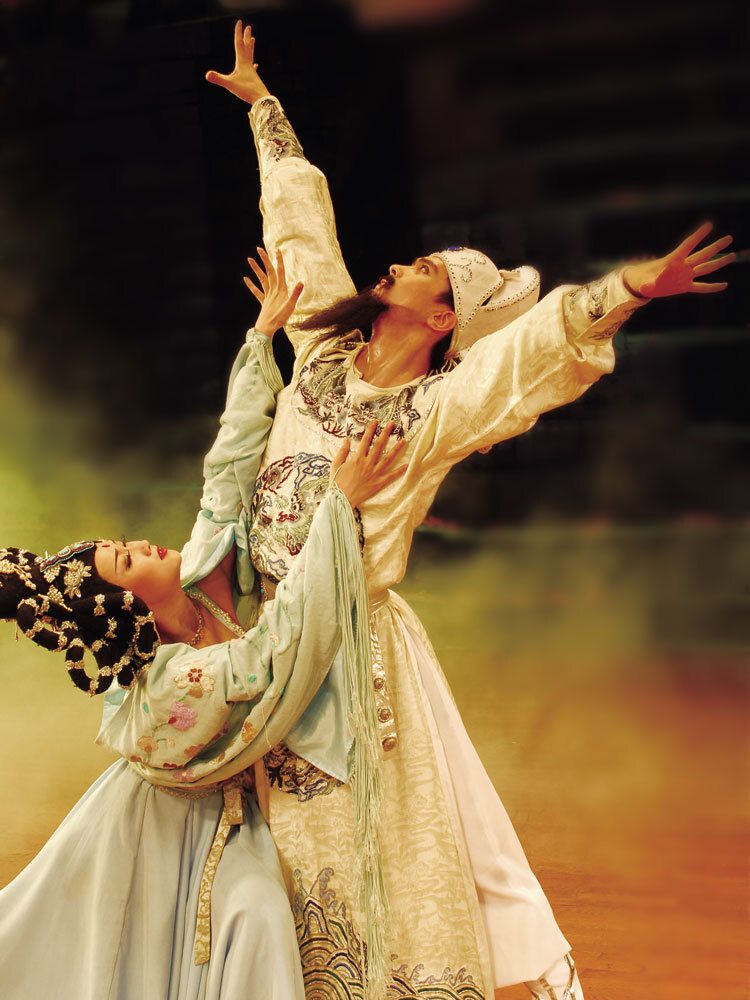
13. The Song of Everlasting Sorrow
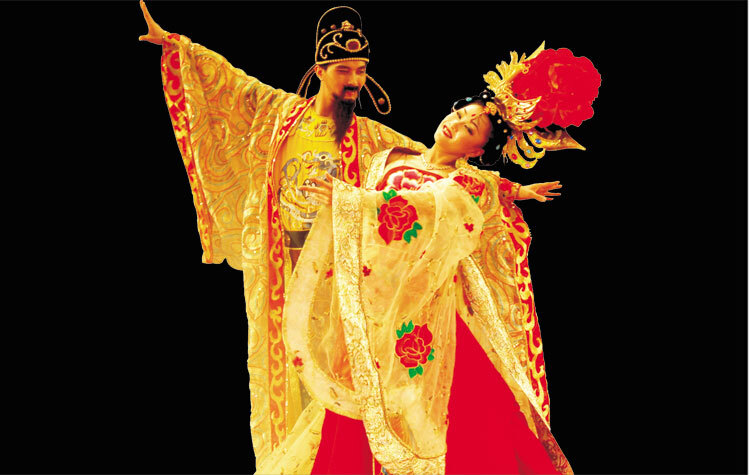
The Song of Everlasting Sorrow (also known as Song of Everlasting Regret) is a narrative poem of the Tang Dynasty inspired by the love affair between Emperor Xuanzong of the dynasty, and his consort Lady Yang. It was written by the Chinese poet Bai Juyi.
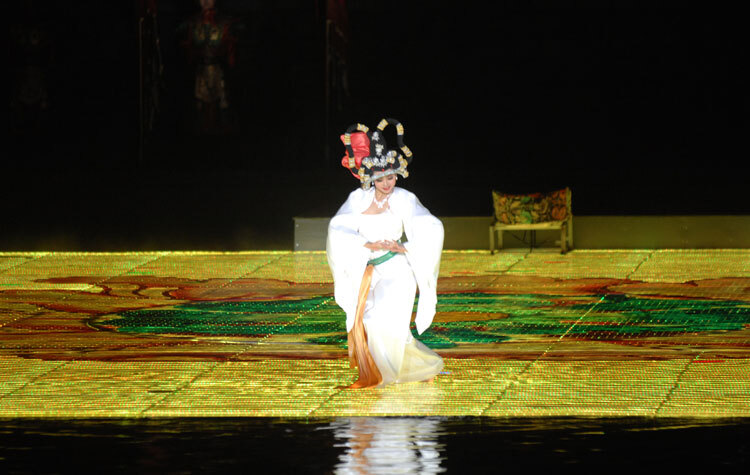
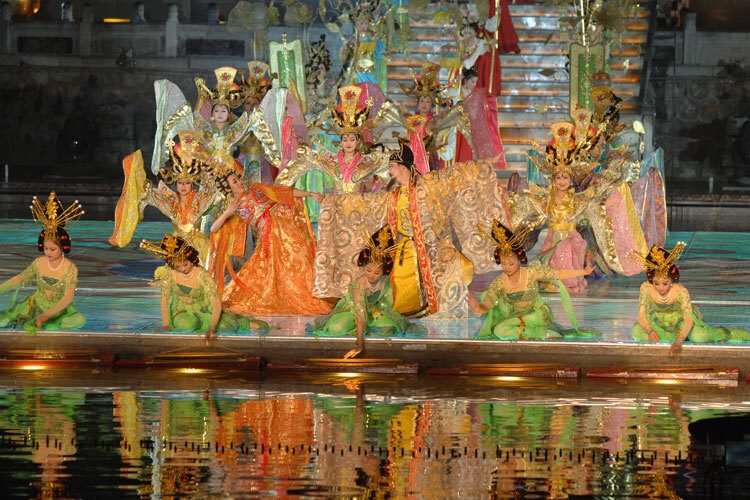
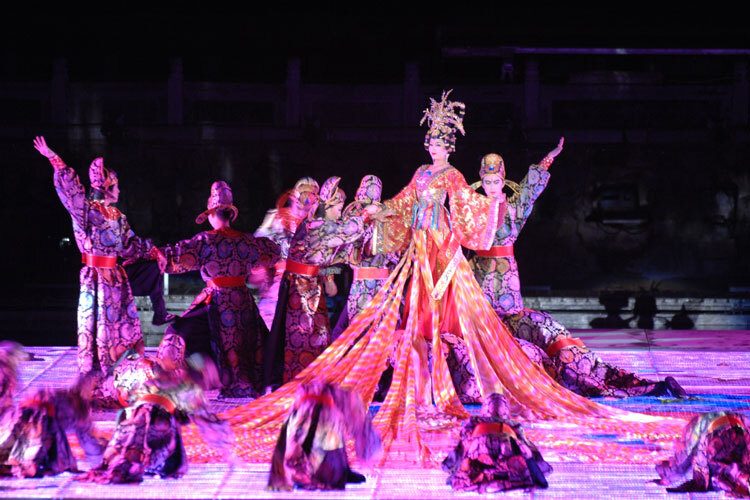
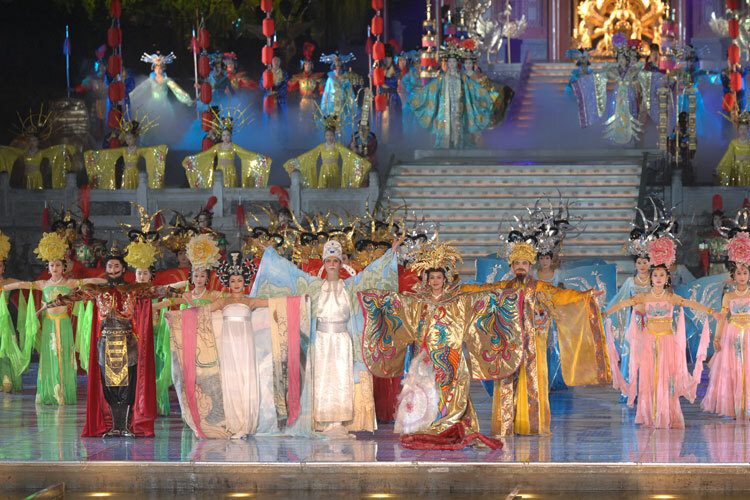
The Large-sacle real-scene historical show named The Song of Everlasting Sorrow is presented at Huaqing Pool in Xi’An, on the Nine Dragons Lake with the pavilions, corridors, palaces, willows and lake water in the background. The advanced sound and light technology and especially-designed stage succeeds in achieving the blend of history and realism, nature and culture, earthliness and fairyland making the presentation much more magnificent and genuine.