A signature initiative by China’s Ministry of Culture and Tourism, the 2022 China Tourism and Culture Week is set to kick off in Beijing, China on 6th September and run till 15th September.
Hosts include the Ministry’s Department of International Communications and Cooperation, the Department of Intangible Cultural Heritage, as well as the media People’s Daily Online.
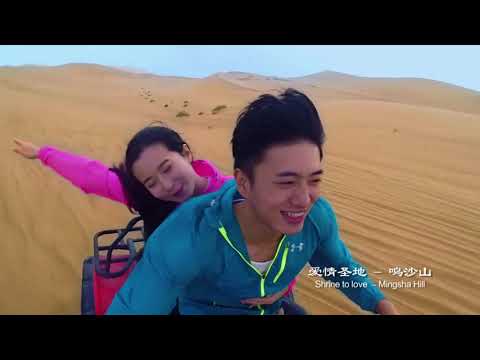
Here we cordially invite you to a virtual tour of what’s happening in China around the Week. You would access an extensive variety of the most exciting tours across our big and beautiful country. Visit world-popular destinations, or track off-the-beaten paths. Enjoy and relaxed with updated travel facilities and get blown away by the richness of natural or cultural wonders.
We offer five themed itineraries: Along the Yellow River (Mother River of the Chinese nation), Silk Road Travel, To the Cities, To the Country, and Help the Poor through Culture and Art. China has a similar size to Australia and composes of 31 provinces, municipalities, and autonomous regions. Each and every one of them differ so much in tourism and cultural resources. Follow the five themes for the hidden gems and touching stories.
This 2022 China Tourism and Culture Week is more than tourism and culture. It’s about sharing China’s new development and true good life, about the nation’s consistent efforts in protecting and conserving fine traditions, about a bigger community shared by mankind beyond national borders, and about generously offering time-proven wisdom and solutions to the most challenging situations common in today’s world.
Seeing is believing. Give it a go for the new fun and inspiration!
Along the Yellow River
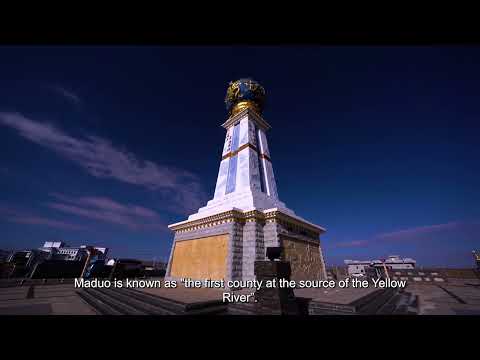
The Yellow River, Mother River of the Chinese nation, flows through nine provinces in China with many twists and turns stretching 5,464m. Thanks to its cultivation, those nine provinces have been bestowed with time-honored geological and cultural legacies and heritages.
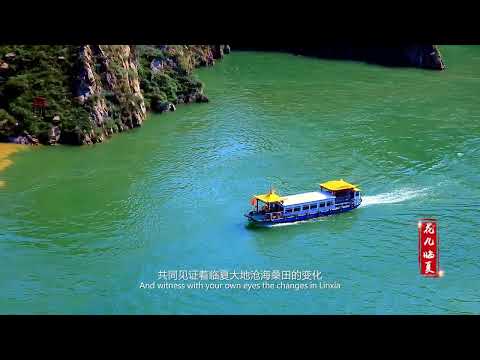
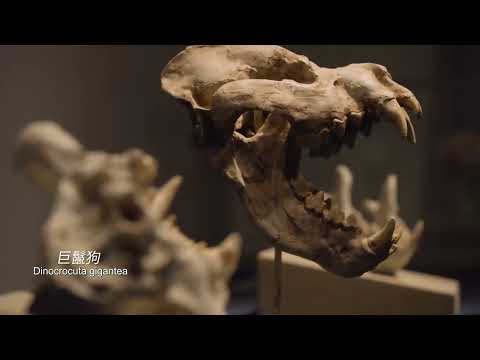
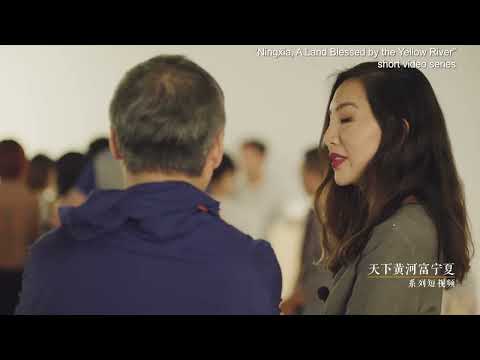
Along the Yellow River, you’ll find landscapes of basins, valleys, mountains, plateaus, bays, waterfalls, lakes, and grasslands. Go for dinosaur footprints and fossils in the Linxia Geopark in Gansu; visit the Yinchuang Contemporary Art Museum in Ningxia; snapshot in Shanxi the marvelous dragon-like five continuous S-shaped bends of the Yellow River; pay tribute to the Hukou Waterfalls, the Yungang Grottoes and Pingyao Ancient City in Shaanxi; learn to read the oracle bone inscriptions and marvel at the Longmen Grottoes, Yin Ruins and the Dengfeng Heaven and Earth historical building complex in Henan; experience the Confucian culture in Shandong; meander aside the Sister Lakes and into its ethnic culture in Qinghai; ride a horse on the Ordos grasslands in Inner Mongolia; and follow the tracks from the legendary Shaanxi-Lhasa Ancient Road to the Cultural Corridor in Sichuan.
The Silk Road Travel
The Silk Road has been connecting China to the world since ancient times. It stretches from Xi’an, Shaanxi and crosses through Ningxia, Gansu, Qinghai, Xinjiang and Tibet in China’s westernmost reaches before continuing over the Pamir Mountains and as far east as the Mediterranean Sea.
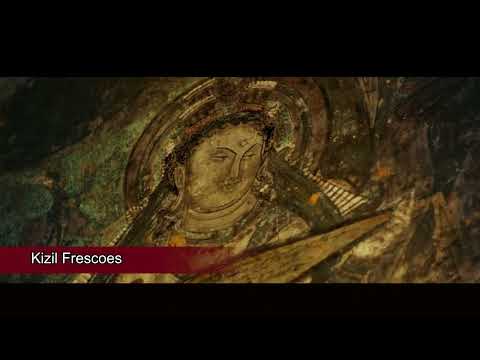
The Silk Road was a critical pipeline for introducing Chinese culture to the West and vice versa, which contribute to the wonderful diversity for which the Silk Road is renowned in China. Along the route, there’re many sites of immense historical and cultural importance, as well as endless natural beauty.
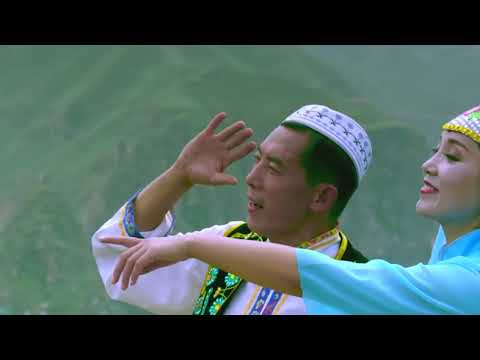
The modern Silk Road provinces and regions juggle this endless fascination with the brilliance of modern society like few other places in the world, and infrastructure and tourism opportunities in the region are ever-growing. Now, more than ever, it is possible for you to take in the wonders of the six provinces and regions in China along this mesmerizing route.
To the Cities
Ten typical cities, ten lifestyles, ten places of profound history and modern marvels.
Please join the visit to
Enshi·Hubei
Enshi in Province is home to lush mountains and turquoise waters. Local Tujia ethnicity built up a Sky Road through the cliffs reaching out to the beyond; and cultivate the Jade Jew drop, a famous green tea in China. Their 300-year-old festival of Girls’ Assembly is a fun-packed folk event.
Guiyang·Guizhou
Thousands of local Miao minorities reside in their classic stilted buildings on wood piles, highly practical flood-proof, and great pleasing to the eye. The Miao people are also famous for their long-table banquet and silver handicrafts.
Xi’an·Shanxi
Used to be the capital of ancient China, the modern Xi’an is a paradise for foodies and history buffs. Once the starting point of the Silk Road, now it’s the hub where the China-Europe freight trains depart. Never miss out on the Terracotta Warriors and horses!
Wenchang·Hainan
Wenchang offers everything you would expect for a tropical holiday escape. From the juicy Wenchang chicken to the fresh coconut juice, Wenchang even boasts a Space Launch Site!
Wenzhou·Zhejiang
Famous as birthplace of many successful Chinese entrepreneurs, visitors to Wenzhou would have the chance to decode the secrets of working hard to gain and to give.
Tengchong·Yunnan
Sitting on the ancient Silk Road, Tengchong is rich in history and has 600-year-old jade workmanship. Hot springs and puppet drama are its featured travel experiences.
Luoyang·Henan
Another ancient capital of China, Luoyang has amazing cultural and historical legacies, thus the title “Oriental Capital of Museums”. The Longmen (Dragon Door) Grottoes have gone through millennia and still awes the world as the best Buddhist art display in China. It also has a romantic tone as the Capital of Peony Flowers.
Heihe·Heilongjiang
Thanks to the Belt and Road Initiative and the China (Heilongjiang) Pilot Free Trade Zone, Heihe of Heilongjiang has been flourishing with full strength. Be sure to pay a visit to the Five Connected Lakes and enjoy volcanic views and experiences.
Dunhuang·Gansu
Dunhuang of Gansu cradles the world-famous Mogao Grottoes, a holy place of Buddhist arts and a treasure of humankind. The Gobi Desert hosts a super-mirror power plant, a great contributor to carbon emission reduction through green energy development.
Order takeaway on a bullet train
300km/h. How fast! Even faster is when you order food via phone and could have it delivered to your seat at the next stop! Believe me, it’s real. Jump aboard the Chengdu-Chongqing bullet train and give it a try!
To the Country
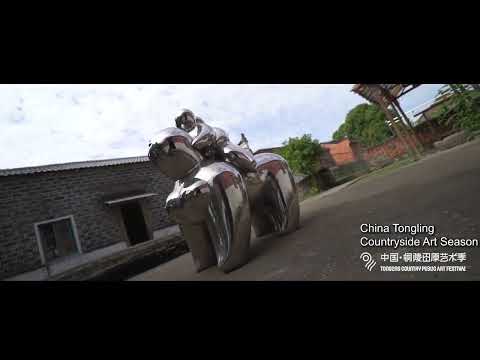
Rural and regional places in China have their unique offerings. Ancient villages and traditional lifestyles have been well preserved and now become mesmerizing attractions for visitors seeking niche leisure and cultural getaway to the ‘good old past’.
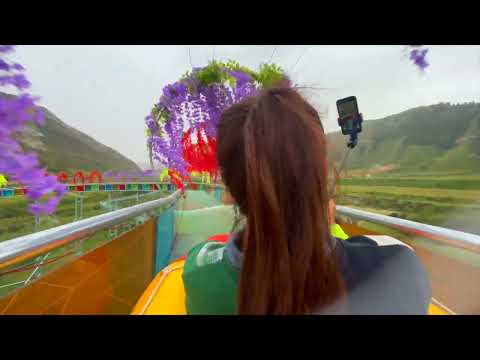
Here featured villages well present man-nature harmony with pleasant cultural, ecological, architecture, or ethnic tones. Come to a farm stay, or luxury cottage, take in peaceful and soothing views, taste local fresh organic food, and live aside with historical legacies. Many fascinating workshops teaching intangible cultural heritage are very popular.
Help the poor through culture and art
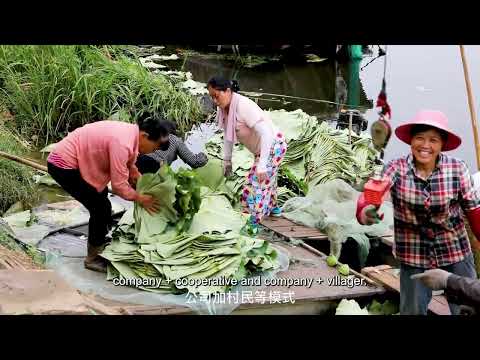
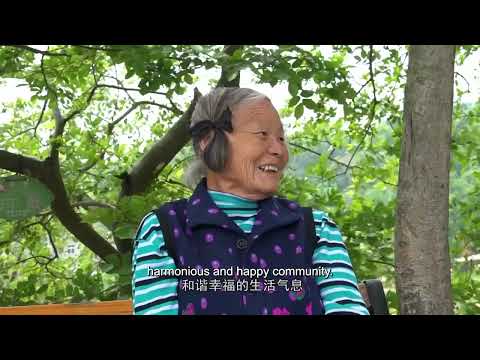
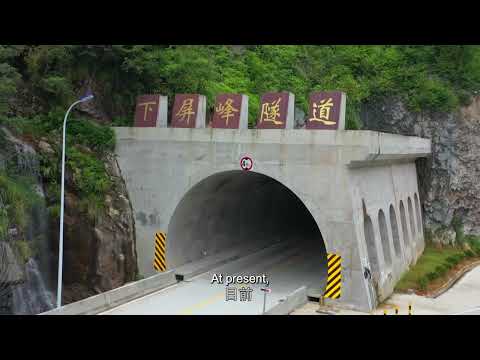
Travel brings about changes, not only to travelers, but also to the places of interest, and the people living there. To those people, tourism exerts its magical economic power and opens up opportunities in green and sustainable ways.
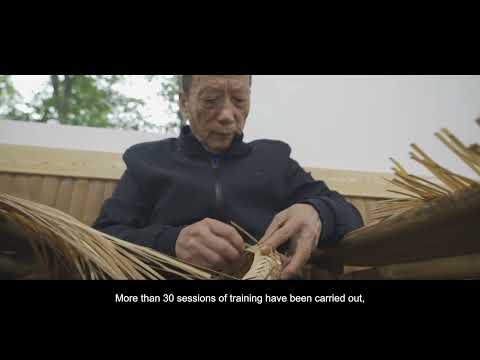
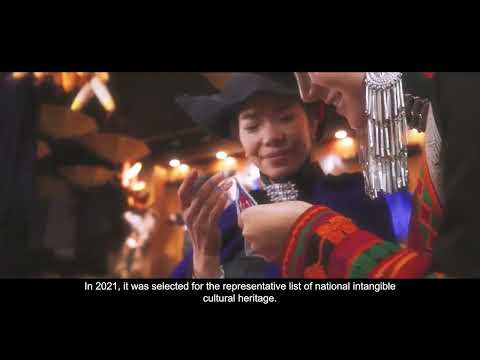
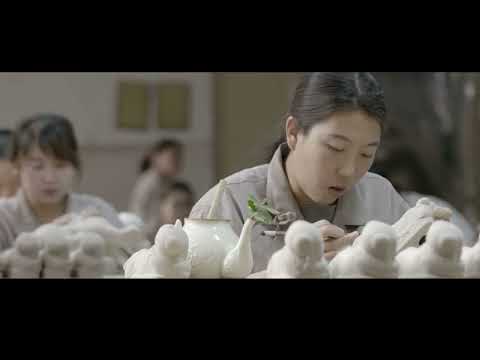
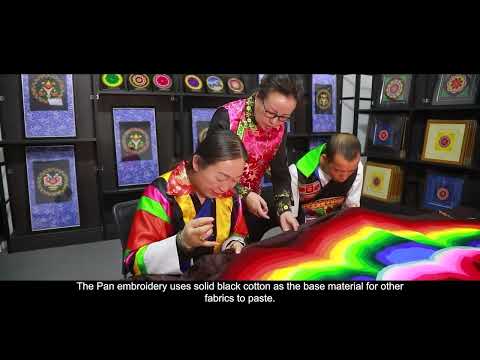
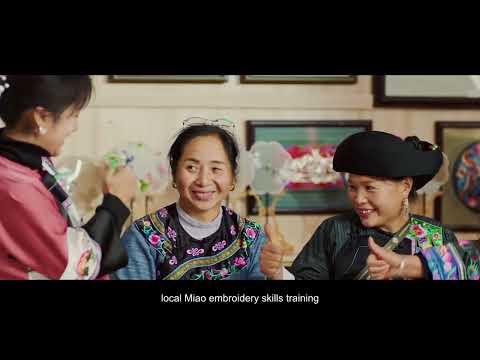
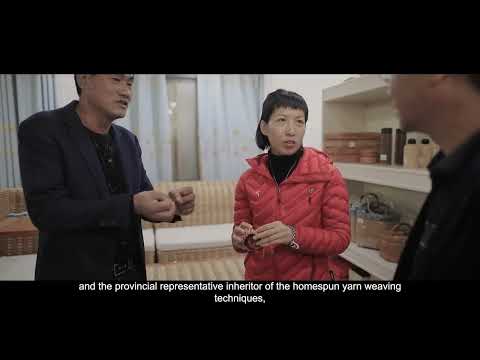
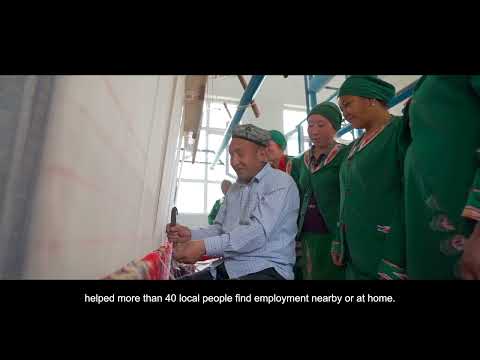
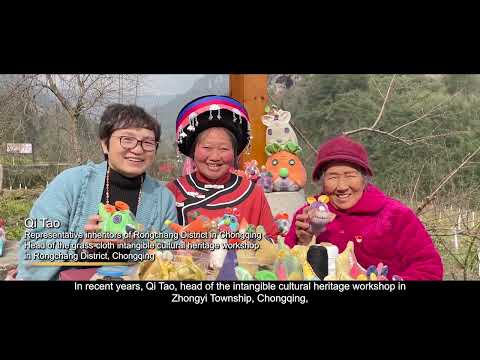
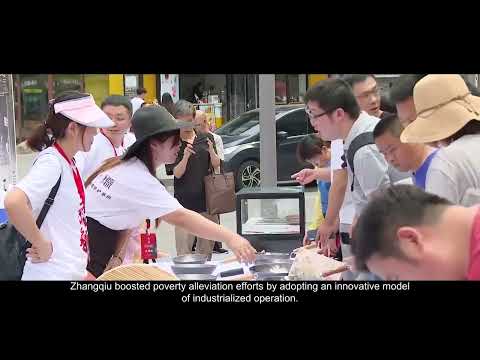
From the basket of tools, we here select developing intangible cultural heritage for better tourism and better life in the past deprived areas. Visitors could have a look at how featured art and culture have been applied to lift people out of poverty.
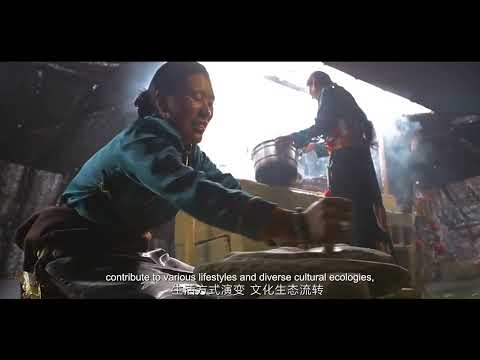
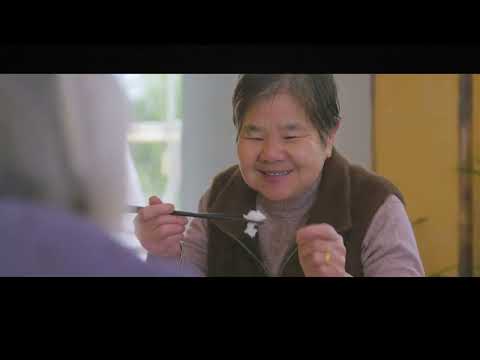
Please join in the online tour to pursue the recipes of longevity, learn Chinese kungfu, ride a sheepskin raft, listen to beats of a Peking Drum, and make Tibetan incense, or a Zhong dumpling…more to explore.