China has 56 ethnicities, of which Han is the main in numbers and thus 55 minorities. Those minorities all have stunning varieties of clothes and hair ornaments, symbolizing their time-honored culture and interpreting their interesting lifestyles and rituals. Many beautiful stories lie behind the stitching, embroidery, carving and weaving craftsmanship of those people, who have passed on their unique art and culture through generations over thousands of years.
Here we offer a selection of five Chinese minorities, namely Zhuang, Tibetan, Miao, Uyghur and Yi. Let’s take a close look at how they have turned rainbow strings, silver, bamboo and wool, etc into wonderful hand-made daywear.
Yi
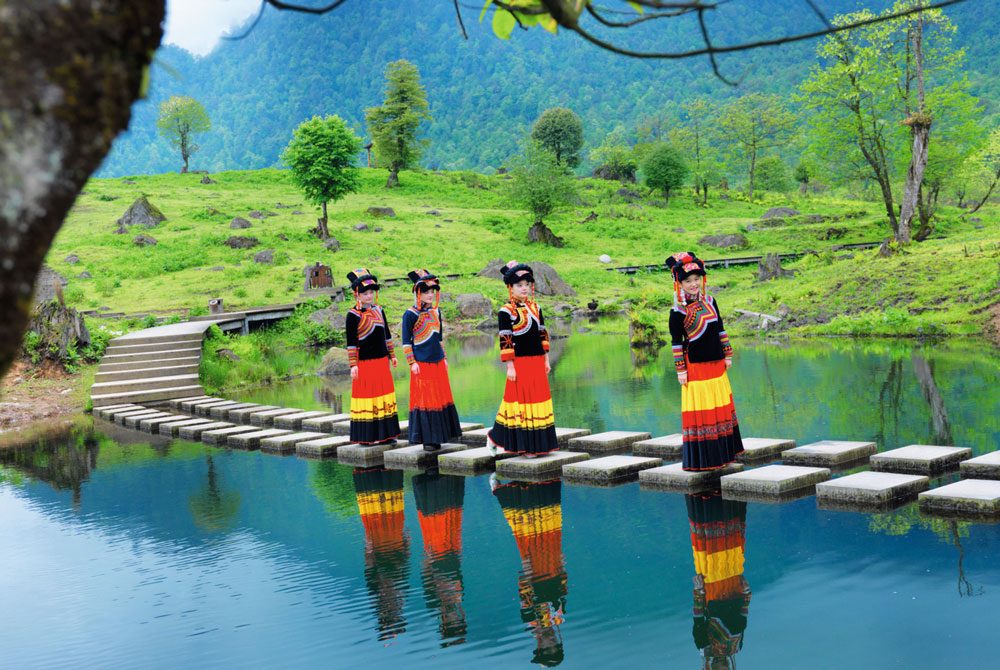
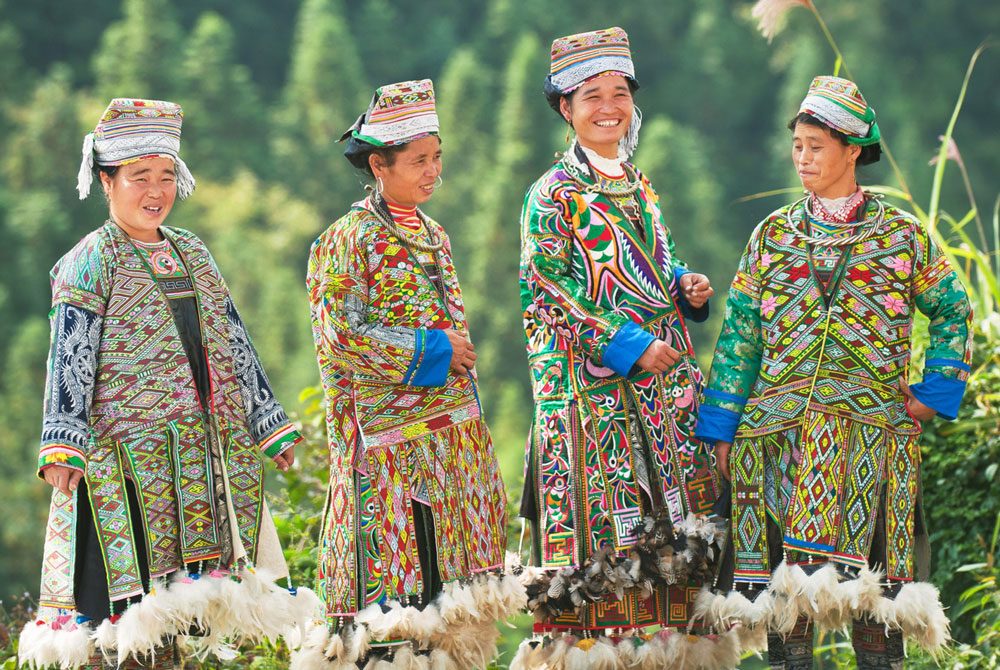
The Yi people live mainly in the hillside and basin areas in Yunnan, Sichuan, Guizhou and Guangxi. Yi has a time-honored history and splendid culture typical of Southwestern China.
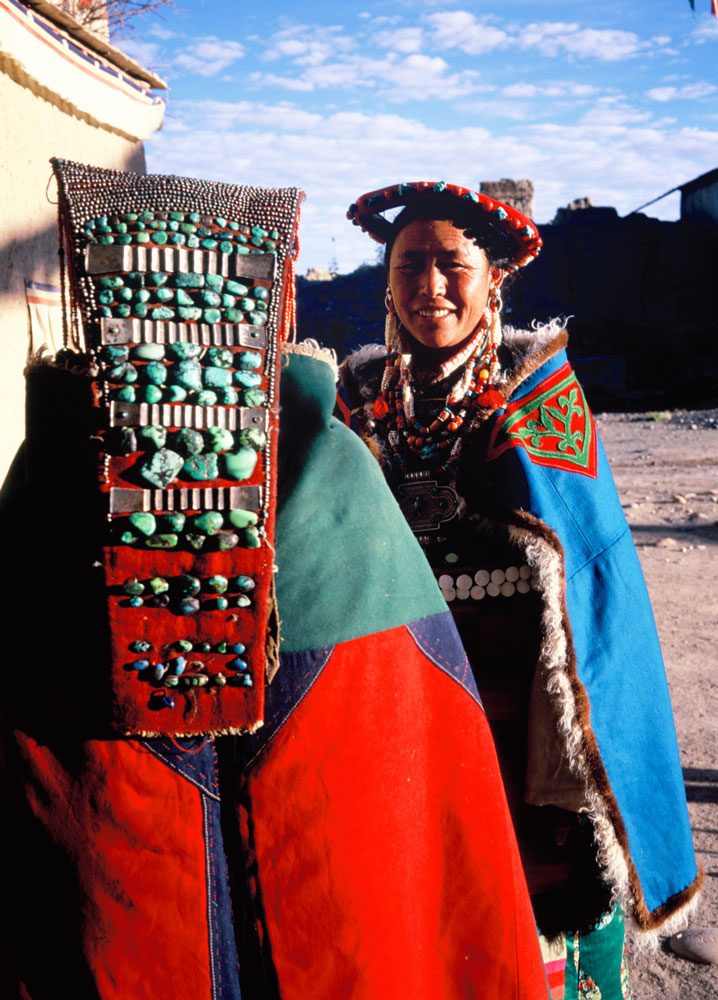
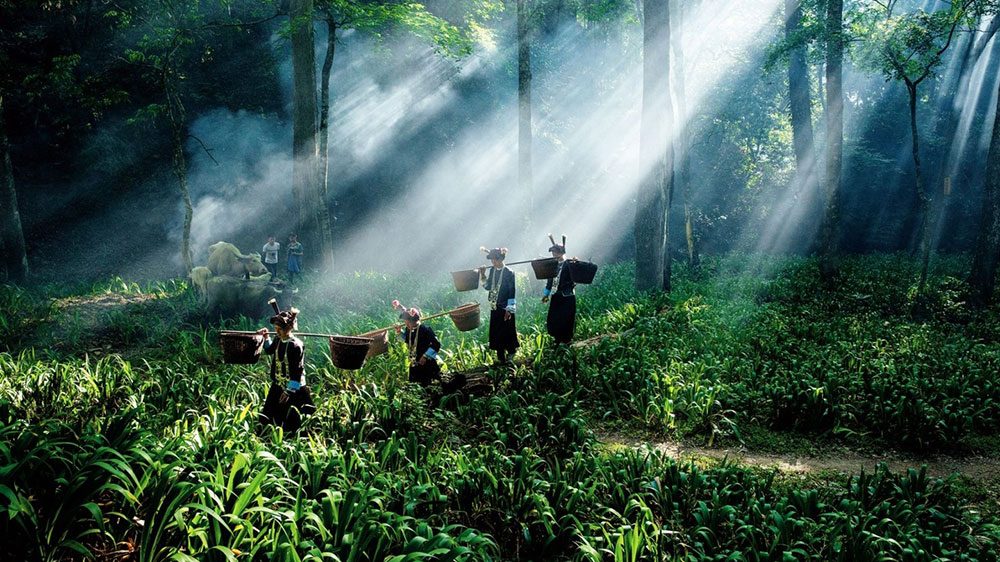
An important part of Yi’s culture is their traditional costumes, Women usually wear clothes with beautiful flowers embroidered and long pants with exquisite lace or skirts with numerous pleats. Men like to wear black narrow sleeved clothes, and loose pants. Both wear head-handkerchiefs on their heads, while particularly, the women headwear are made with beautiful patterns embroidered.
Yi have an interesting history because they once ruled part of southwestern China and established big and powerful kingdoms there. The famous Three Pagoda of Dali was built by them, and was once their capital area. These pagodas are between Cangshan mountains and Erhai lake some 1.5 kilometers northwest from the Ancient Town of Dali, so a walk to the temple would be a good excursion. The Three Pagodas are definitely a highlight of a trip to Dali.
Miao
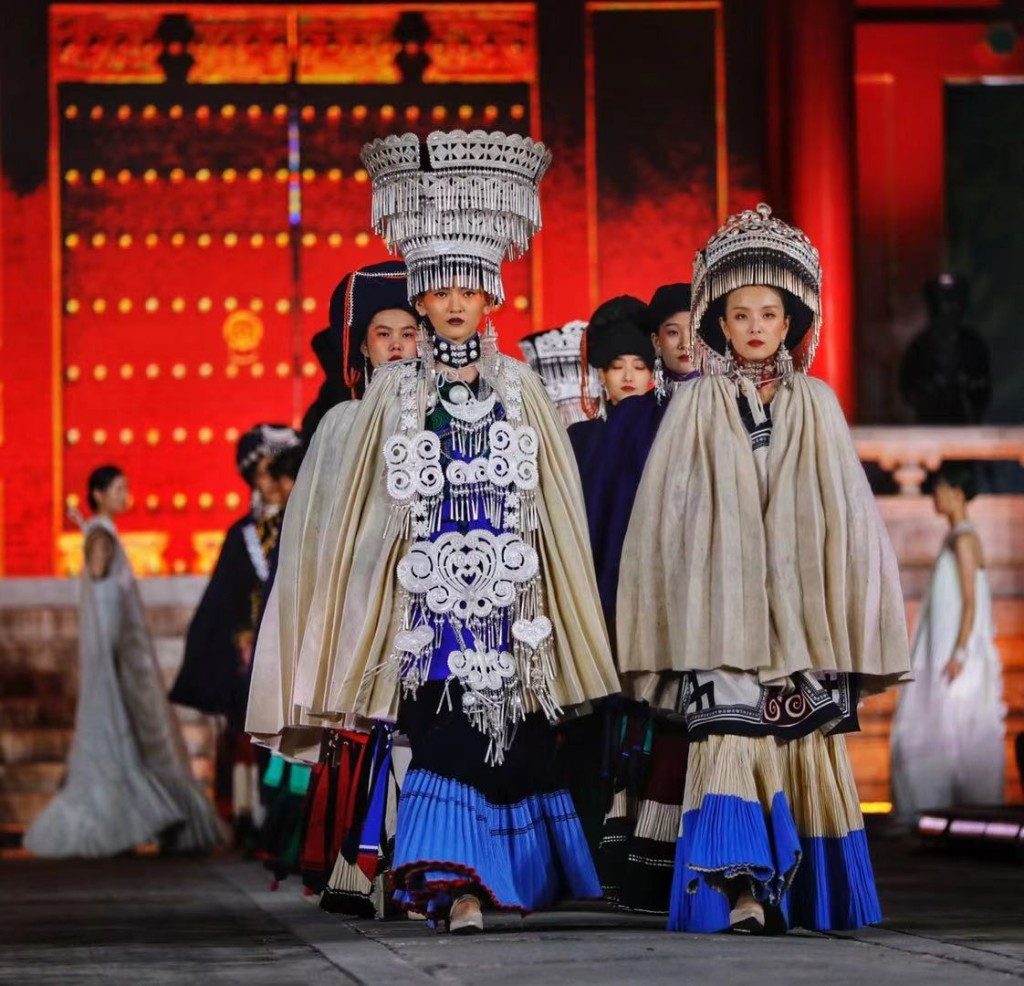
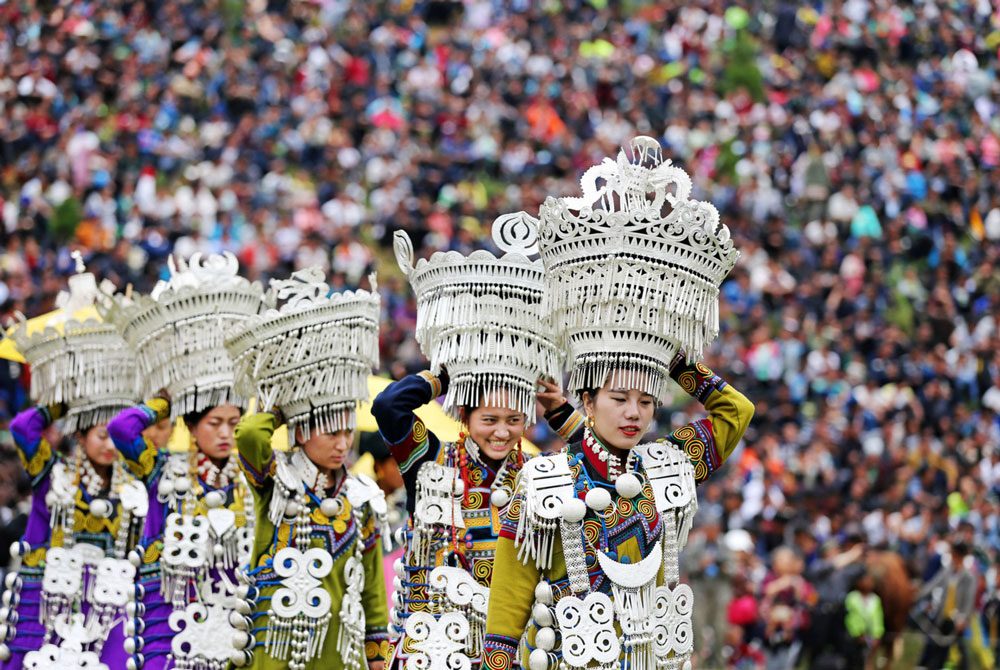
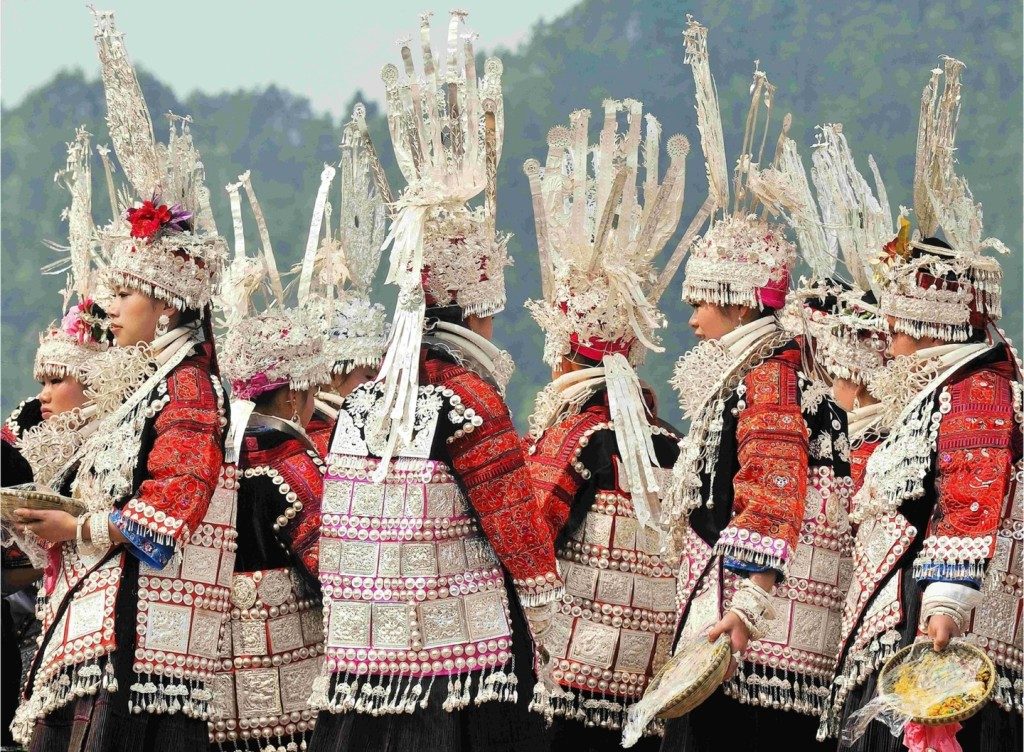
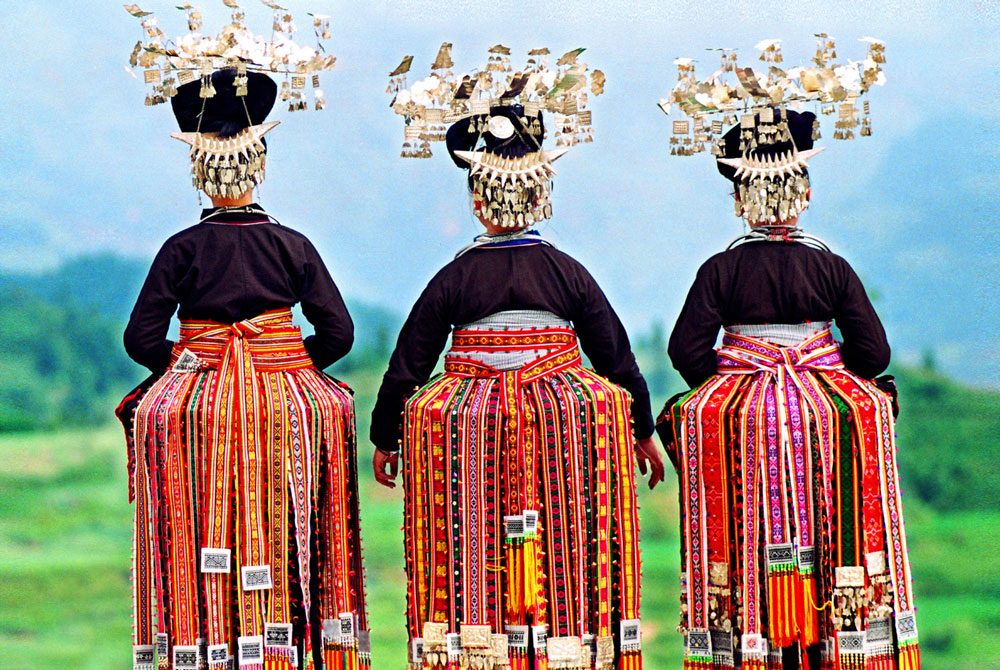
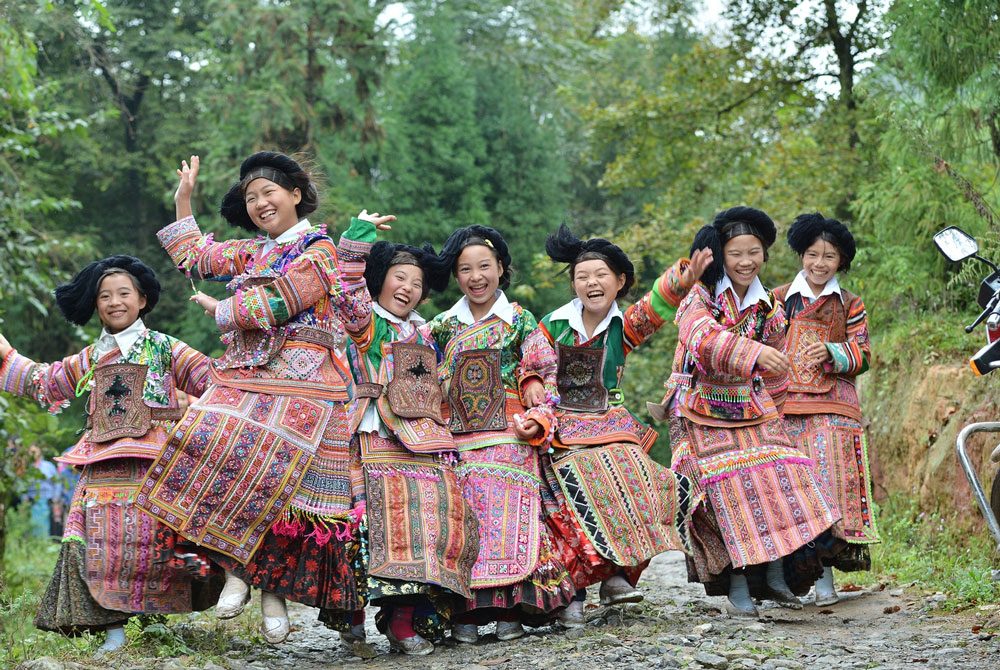
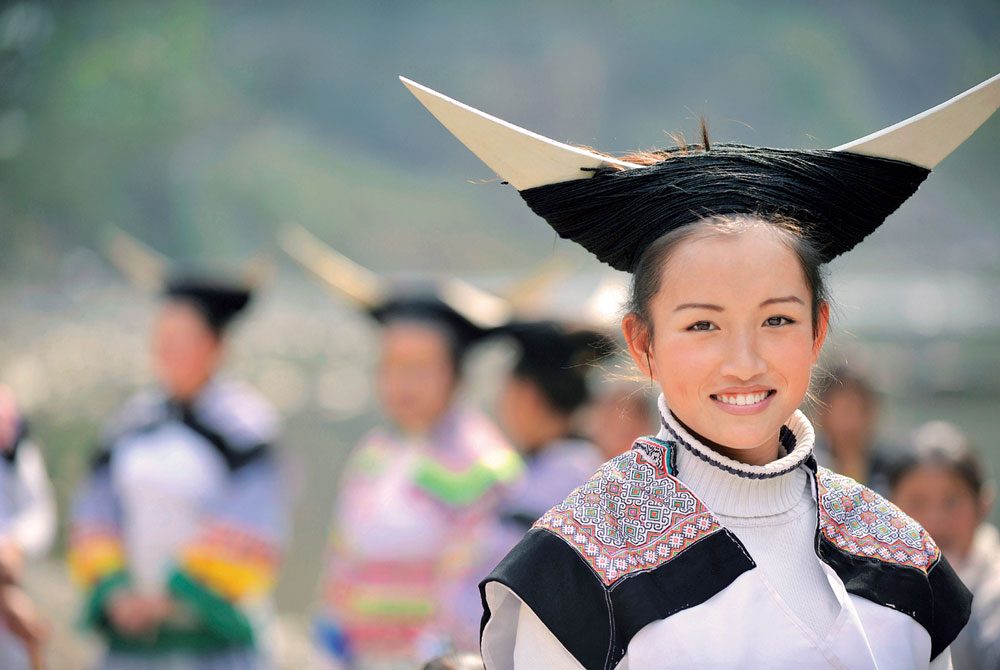
The Miao (English: Hmong) people mostly inhabite in Southern China and are famous for their splendid embroidery and silver headwear. A kalaidescope of colors, Miao’s embroidery stand out for its exquisite stitching and creative patterns derived from life and legends. With the craftsmanship passed on through generations and each stitch patch telling a stories of its own, today wearing Miao’s embroidery is like wearing part of China’s time-honored history.
Guizhou Province has one of the most fascinating place to peek into Miao’s wonderful culture and folklores. The Thousand-Household Miao Village there has had its well-perserved Diaojiao Building ( pillar supported suspended wooden dwelling) and authentic celebrations and rituals. Have ever imagined a girl’s full party suite—dress for major festives and wedding could cost two years to hand-make and the dazzling silver accessories weigh as much as over 10kg?
Tibetan
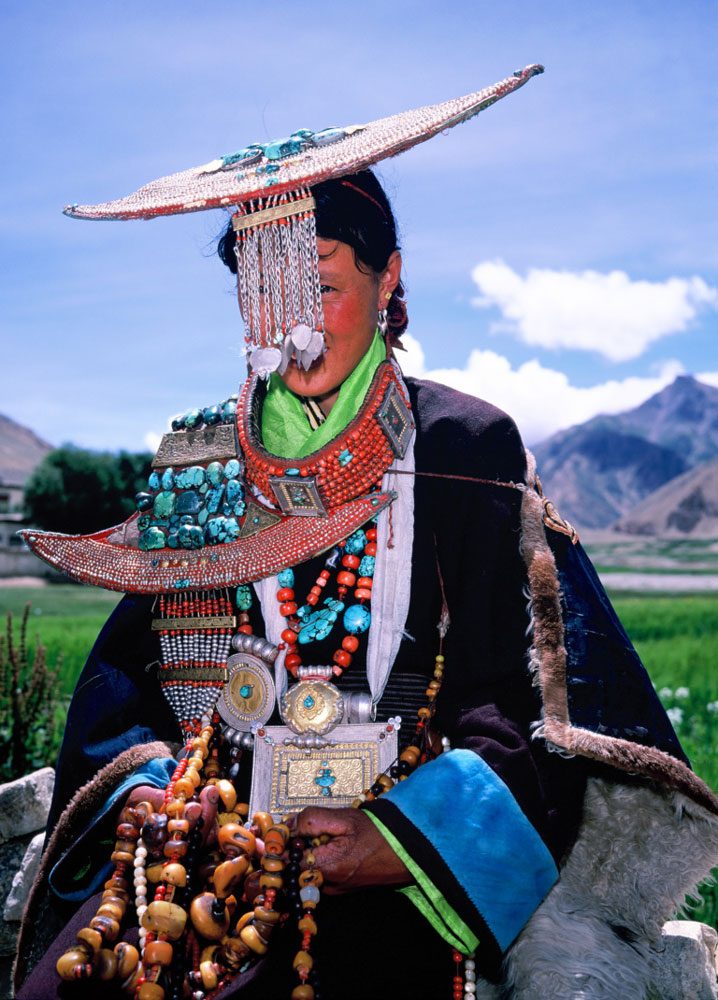
The Tibetan people, native to Tibet, have been mostly living in Tibet today. Their current population is estimated to be around 6.7 million. Most Tibetans practice Tibetan Buddhism, although some observe the indigenous Bon religion and there is a small Muslim minority. Tibetan Buddhism influences Tibetan art, drama, and architecture, while the harsh geography of Tibet has produced an adaptive culture of Tibetan medicine and cuisine.
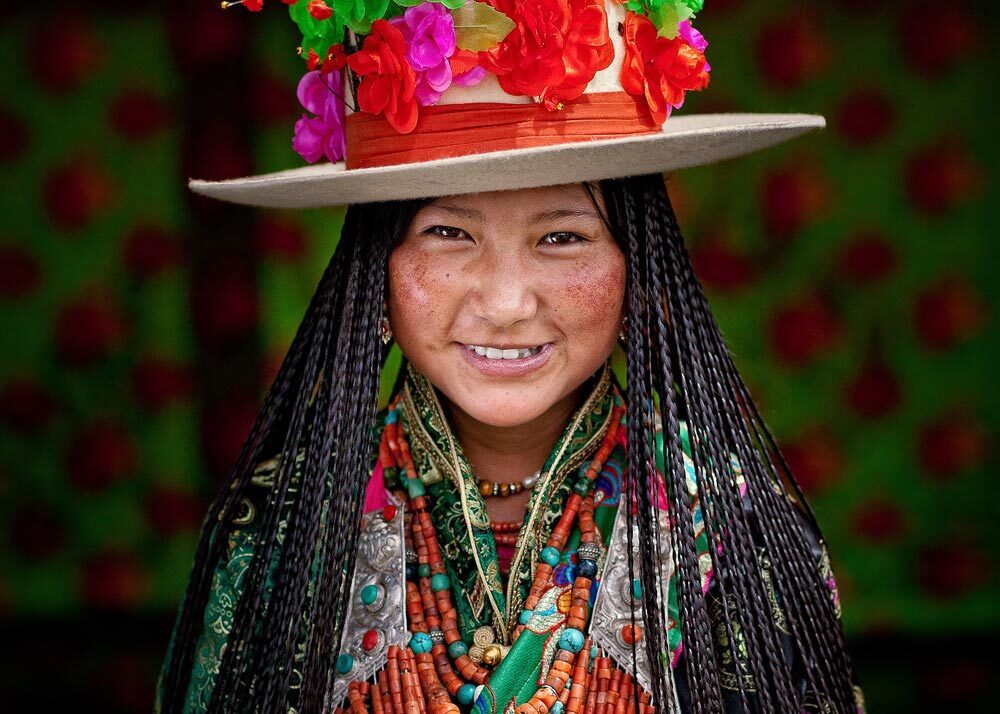
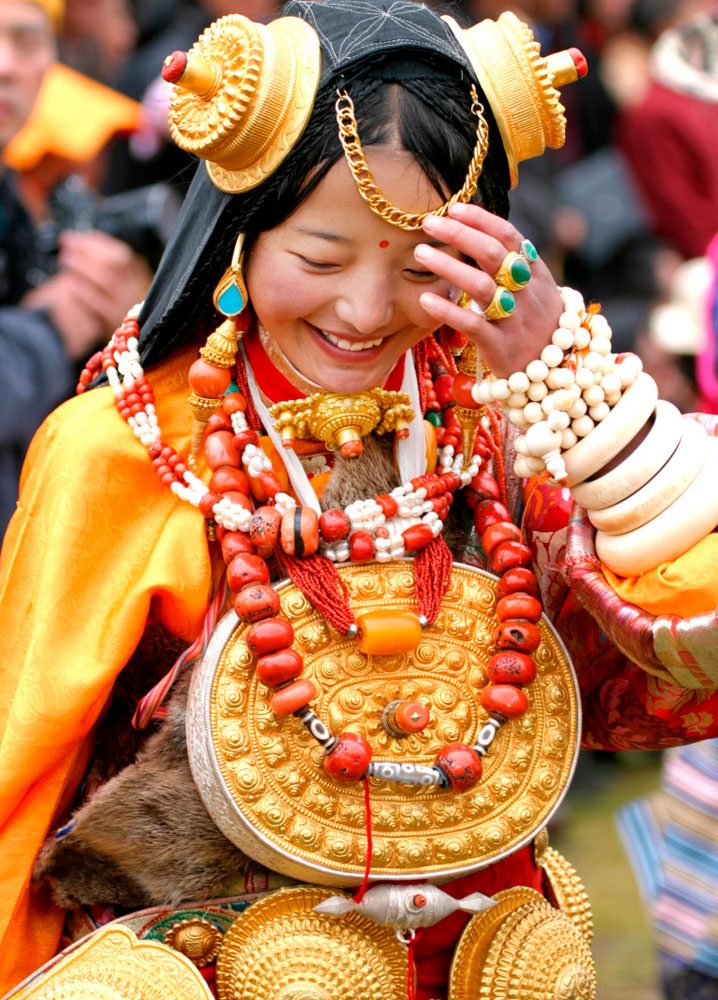
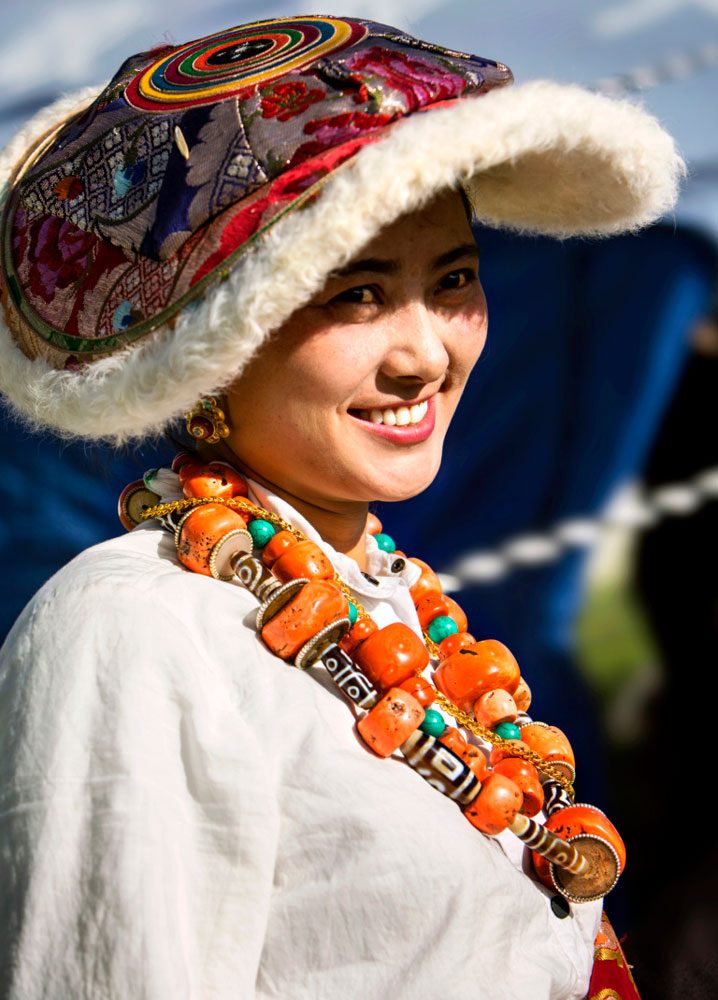
Regarding their look, many Tibetans wear their hair long, although in recent times most men do cut their hair short. Traditionally the women braid their hair into multiple tiny braids called “Rhe-Ba” or simply put their hair up in a braid or ponytail in more rural areas. Some men and women wear long thick dresses (chuba) in more traditional and rural regions. The men wear a shorter version with pants underneath. The style of the clothing varies between regions and Nomads often wear thick sheepskin versions. In more urban places like Lhasa the capital of Tibet, men and women dress in modern clothing, and many choose to wear chuba during festivals and holidays like Losar.
Tibet is a place of mystery and glamour. History and high-altitude geography have given Tibet a deep sense of spirituality and mysticism, perfect for a soul-searching journey. Surround yourself with incense and the murmuring of the faithful in endless beautiful temples and monasteries and experience astonishing views of Mt. Everest, and discover contemporary Tibetan life – a mix of pilgrims and pop music, monks, and mobile phones.
Zhuang
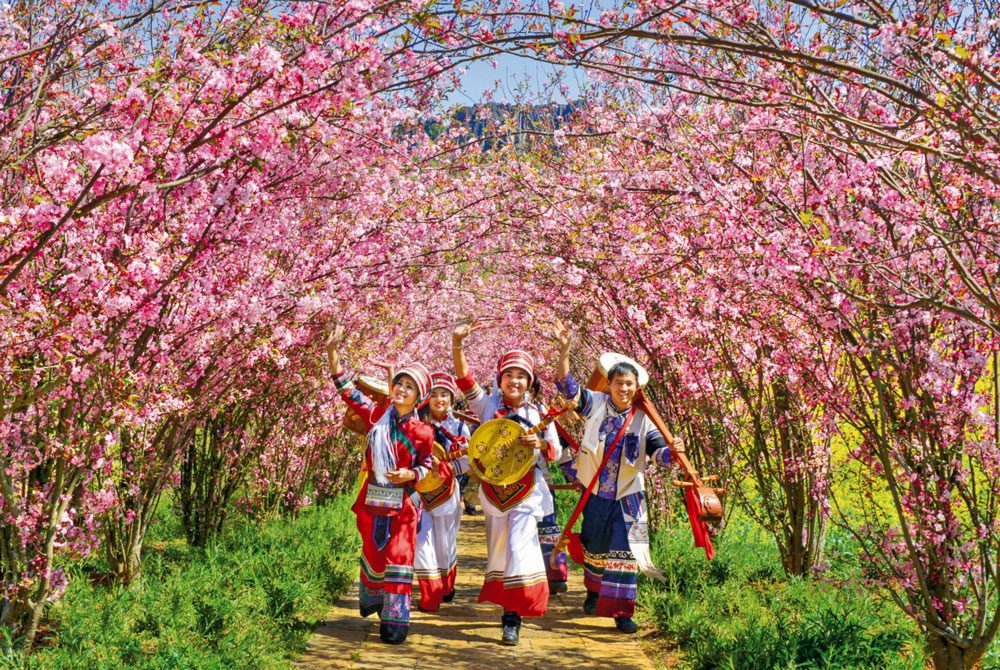
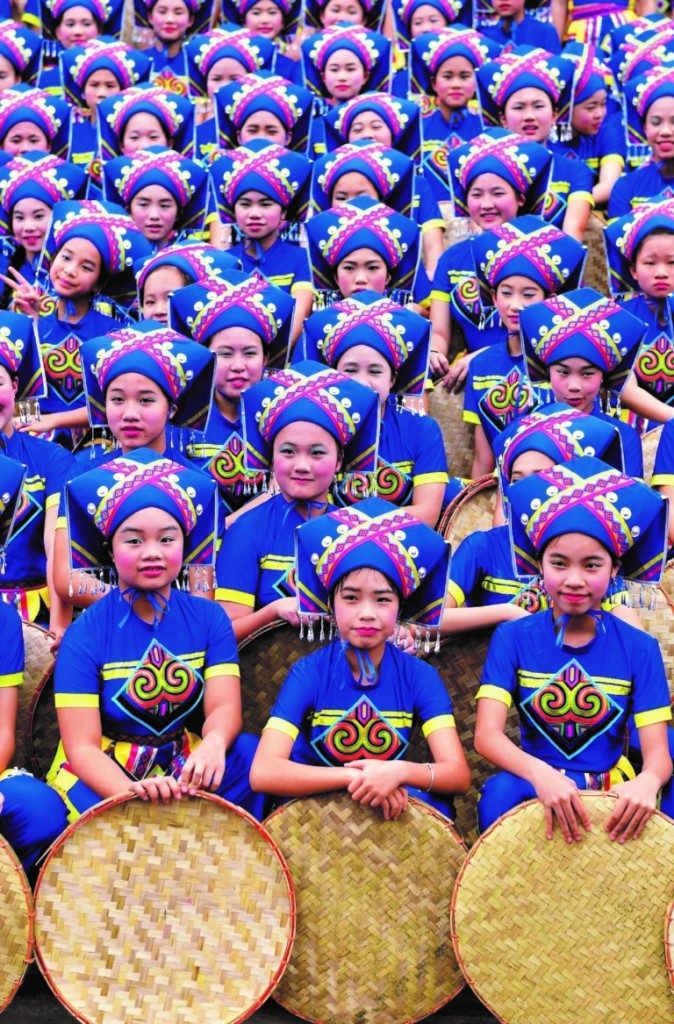
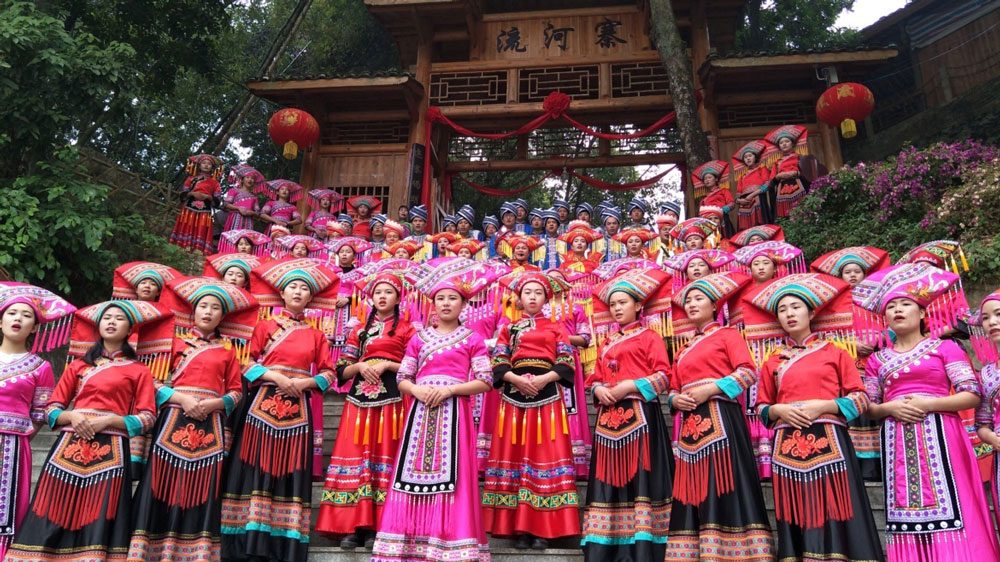
Zhuang, the most minority in China has a population around 20m and inhabites mostly Guangxi in southern China. Zhuang’s traditional costumes are very impressive with its individual embroidery and brocades. Specifically, womenwear include blue-and-black collarless jacket and baggy trousers or batik skirt, usually plus a delicately embroidered apron to complete the style. While for men, black front-opening coats with cloth-wrapped buttons, and a belt. Zhuang people like to show up their waistline, something chic that probably could be attributed to the influence from Han.
Zhuang people are nightingales at singing, and also famous for their hospitality and passion for life. They believe ‘Meal feeds the body; singing feeds the soul’ and sing on almost every occasion, such as banqueting, fishing, harvesting, wedding, funerals, festivals. Particularly, they are born talents of impromptu composing and producing lyrics. Better be prepard when you visit a Zhuang family, as they could sing to toast: Songs not to take back when leave my mouths; Filled cups to bottom up when reach your lips ( mandarin: 山歌出口不能收咧/杯中有酒不能留)…
Sister Liu Sanjie, the Zhuang’s ‘Singing Fairy’, has left many legacies and had the third day of the third month on the lunar calendar a tribute to her as the ‘Singing Festive’. A megashow has been put on stage based on her legend, with settings all outdoors right on the turqoise Li River backdropped by the ink-painting like mountains in Yangshuo, Guangxi. A testimony from an UNWTO (United Nations World Tourism Organization) officer puts it well: You fly from anywhere in the world to see the show and then fly back. The show worths this much.
Uyghurs
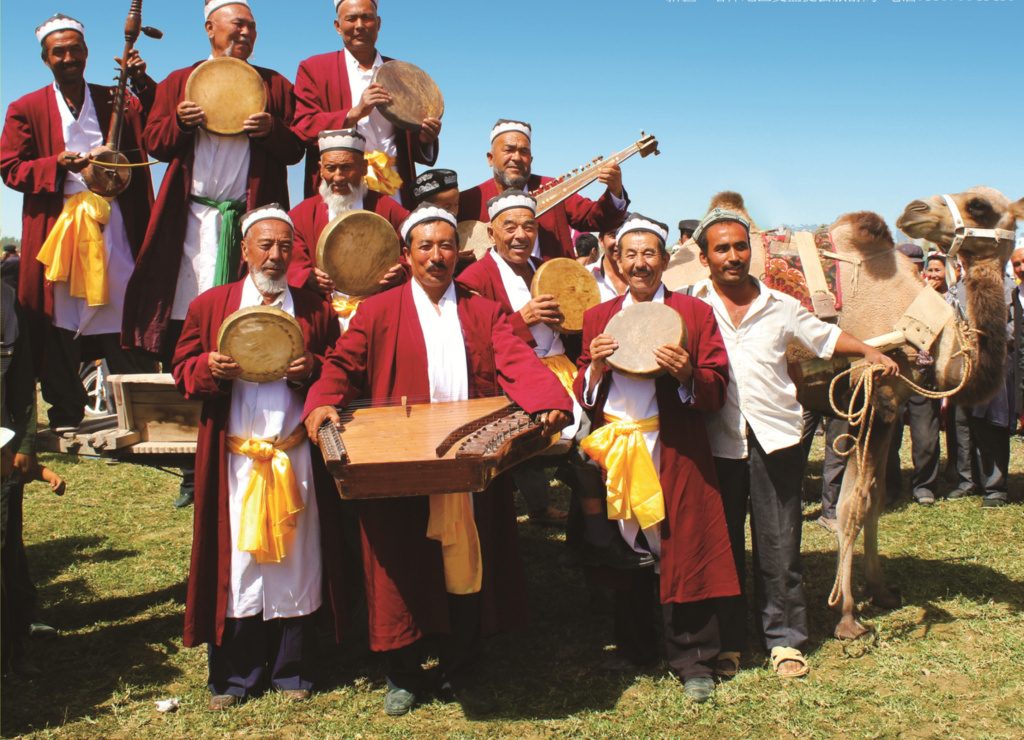
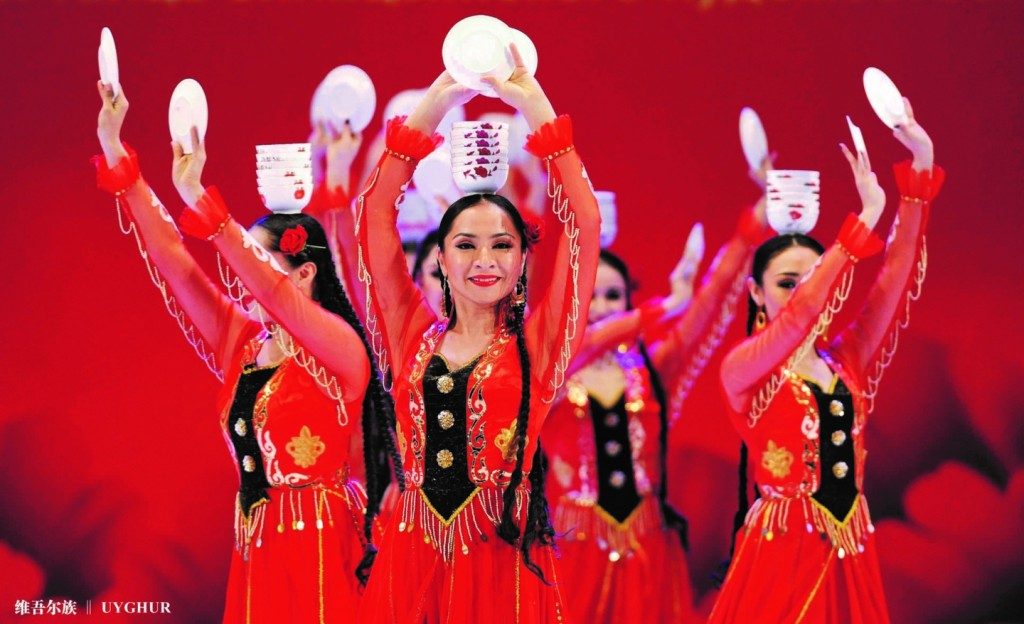
Uyghurs mostly live in Xinjiang and settle around the Tarim Basin in Tianshan Mountains. They are a group of passionate singers and dancers with fascinating culture.
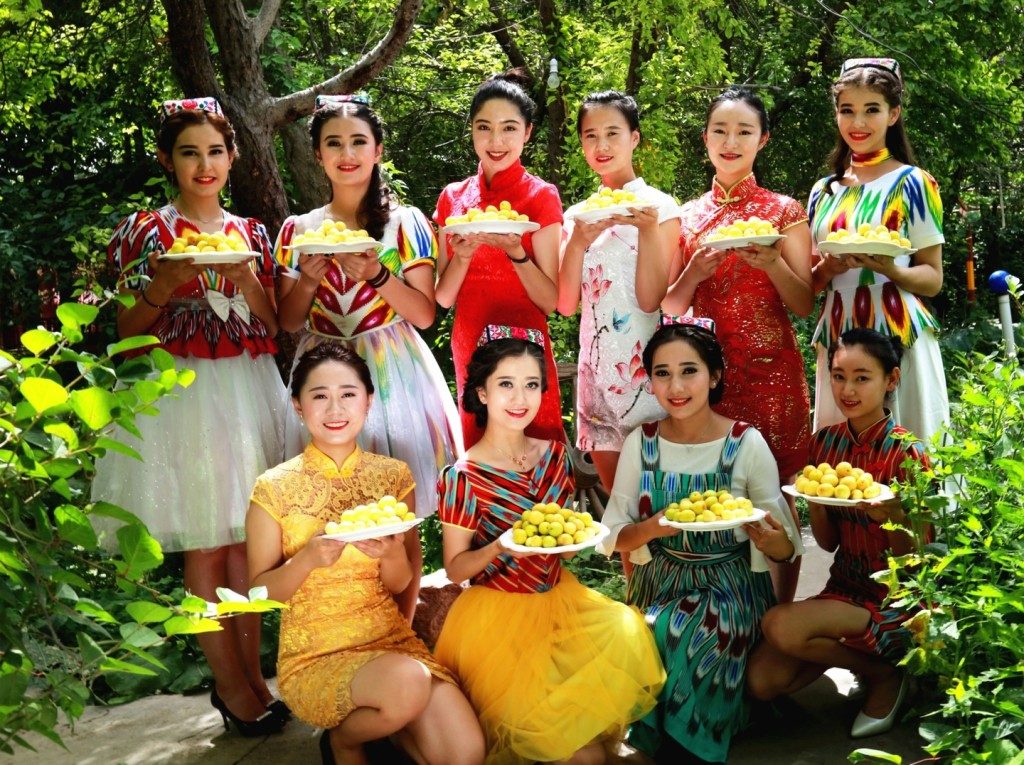
Colorful costumes with flower decorations are an integral part of Uyghur culture. Uyghur women typically wear one-piece dresses with bright vests and baggy sleeves, styled by varied silk scarves. While men usually wear gowns paired with a long scarf around the waist. Uyghurs are distinctive by their Doppa hats—square or round skullcaps. For them, hats are even more important than clothes. Women like to put designs on their hats by adding colorful embroidery and pictures. You can tell if a woman is married by their braids. Married women wear two braids whereas singles wear as many braids as they want.
Turpan is an ancient Uyghur town famed for being an old Silk Road outpost and oasis. It is also the well-known hometown to grapes, and the Grape Valley in Turpan, whose wonderful fruit farms are also amazing tourist attactions, nestles on the western slopes of the Flaming Mountain, which appeared in the classic Journey to the West. Tourists can take a donkey-pulled tented cart to visit the 8km long Grape Valley. You can pick grapes there and enjoy the local Uyghur songs and dances. It’s a great relief to recline in the shade of the green leaves and delight in the fresh juicy fruit, appreciate the coolness and escape from the heat and bustle outside.